





#GENIUSImplementationRulesDraftReleased
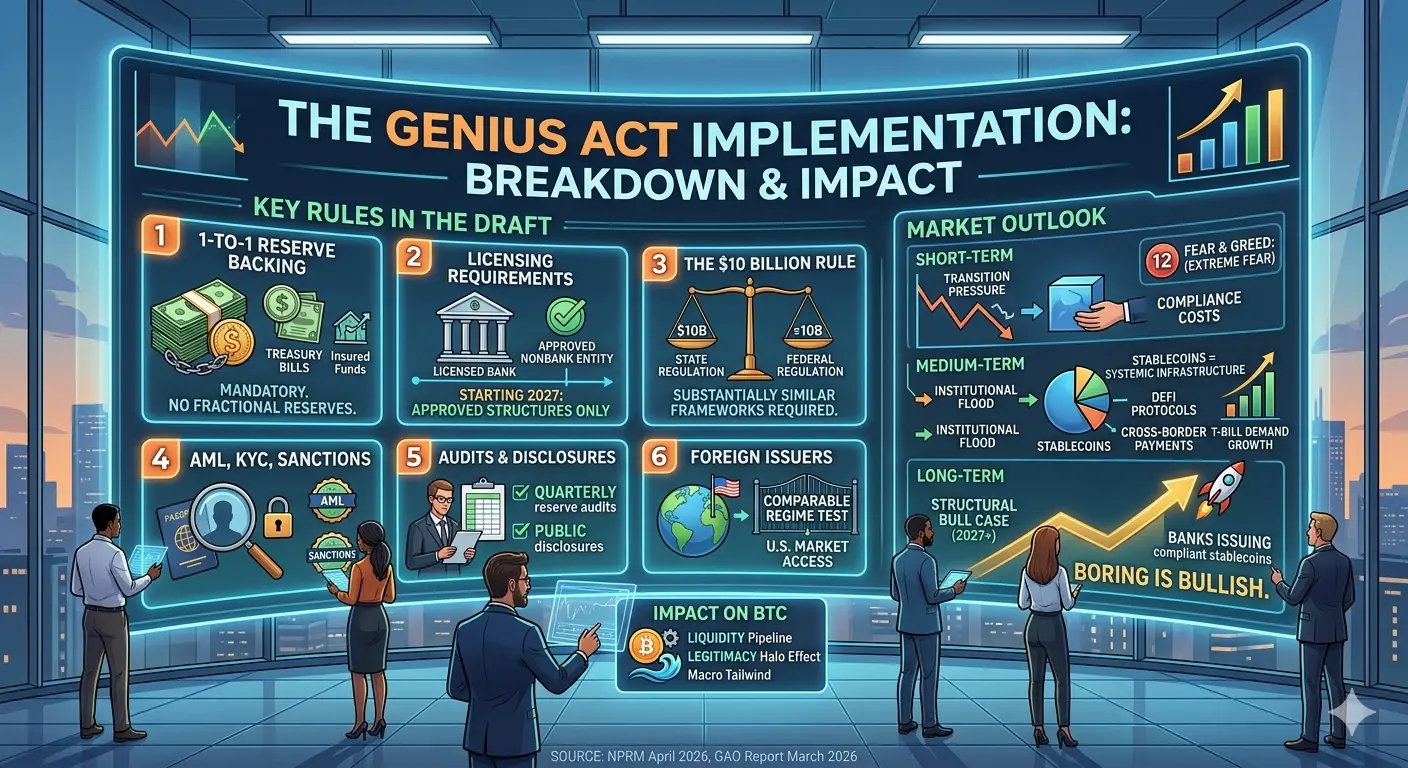
The release of the GENIUS Implementation Rules Draft marks a significant step forward in shaping the future of digital finance and regulatory clarity. As the crypto industry continues to evolve rapidly, frameworks like GENIUS aim to bridge the gap between innovation and compliance—ensuring that growth remains sustainable, transparent, and secure.
At its core, the draft focuses on establishing standardized guidelines for digital asset operations. This includes clear definitions of asset classifications, compliance procedures for platforms, and risk management requirements. By doing so, it helps reduce uncertainty for both institutions and retail participants, making the ecosystem more accessible and trustworthy.
One of the key highlights is the emphasis on transparency. The draft encourages regular disclosures, proof-of-reserve mechanisms, and stricter auditing processes. These measures are designed to prevent systemic risks and rebuild confidence following past market disruptions. For investors, this could mean greater protection and more reliable information when making decisions.
Another important aspect is its approach to innovation. Rather than restricting growth, the GENIUS framework appears to support responsible experimentation. It proposes regulatory sandboxes and adaptive compliance models, allowing startups and developers to test new ideas while staying within safe boundaries. This balanced approach could drive the next wave of Web3 innovation.
The draft also addresses cross-border collaboration. In a global market like crypto, fragmented regulations can create inefficiencies and loopholes. GENIUS aims to promote international coordination, helping align standards across jurisdictions and reduce regulatory arbitrage.
However, like any early-stage framework, the draft is not without challenges. Industry participants will likely debate specific provisions, especially around compliance costs and operational complexity. Feedback from stakeholders will be crucial in refining the final version.
Overall, the GENIUS Implementation Rules Draft represents progress toward a more mature and structured crypto ecosystem. If implemented effectively, it could enhance stability, encourage institutional participation, and foster long-term growth—without compromising the innovative spirit that defines the space.
The conversation is just beginning, and the final outcome will depend on how the community engages with these proposed rules.
The release of the GENIUS Implementation Rules Draft marks a significant step forward in shaping the future of digital finance and regulatory clarity. As the crypto industry continues to evolve rapidly, frameworks like GENIUS aim to bridge the gap between innovation and compliance—ensuring that growth remains sustainable, transparent, and secure.
At its core, the draft focuses on establishing standardized guidelines for digital asset operations. This includes clear definitions of asset classifications, compliance procedures for platforms, and risk management requirements. By doing so, it helps reduce uncertainty for both institutions and retail participants, making the ecosystem more accessible and trustworthy.
One of the key highlights is the emphasis on transparency. The draft encourages regular disclosures, proof-of-reserve mechanisms, and stricter auditing processes. These measures are designed to prevent systemic risks and rebuild confidence following past market disruptions. For investors, this could mean greater protection and more reliable information when making decisions.
Another important aspect is its approach to innovation. Rather than restricting growth, the GENIUS framework appears to support responsible experimentation. It proposes regulatory sandboxes and adaptive compliance models, allowing startups and developers to test new ideas while staying within safe boundaries. This balanced approach could drive the next wave of Web3 innovation.
The draft also addresses cross-border collaboration. In a global market like crypto, fragmented regulations can create inefficiencies and loopholes. GENIUS aims to promote international coordination, helping align standards across jurisdictions and reduce regulatory arbitrage.
However, like any early-stage framework, the draft is not without challenges. Industry participants will likely debate specific provisions, especially around compliance costs and operational complexity. Feedback from stakeholders will be crucial in refining the final version.
Overall, the GENIUS Implementation Rules Draft represents progress toward a more mature and structured crypto ecosystem. If implemented effectively, it could enhance stability, encourage institutional participation, and foster long-term growth—without compromising the innovative spirit that defines the space.
The conversation is just beginning, and the final outcome will depend on how the community engages with these proposed rules.