
Futures
Access hundreds of perpetual contracts
TradFi
Gold
One platform for global traditional assets
Options
Hot
Trade European-style vanilla options
Unified Account
Maximize your capital efficiency
Demo Trading
Introduction to Futures Trading
Learn the basics of futures trading
Futures Events
Join events to earn rewards
Demo Trading
Use virtual funds to practice risk-free trading
Launch
CandyDrop
Collect candies to earn airdrops
Launchpool
Quick staking, earn potential new tokens
HODLer Airdrop
Hold GT and get massive airdrops for free
Launchpad
Be early to the next big token project
Alpha Points
Trade on-chain assets and earn airdrops
Futures Points
Earn futures points and claim airdrop rewards


More




I've always found it interesting how certain internet terms have such strange stories behind them. Today, I want to talk about what Kek is because many people have probably seen it in memes but don't really know where it comes from.
It all started in World of Warcraft, believe it or not. Horde faction players would type "lol" in chat, but when Alliance players saw it, it appeared as "kek" due to a translation error in the game system. Basically, it was a bug that became an inside joke, and eventually that term escaped the game and reached communities like 4chan.
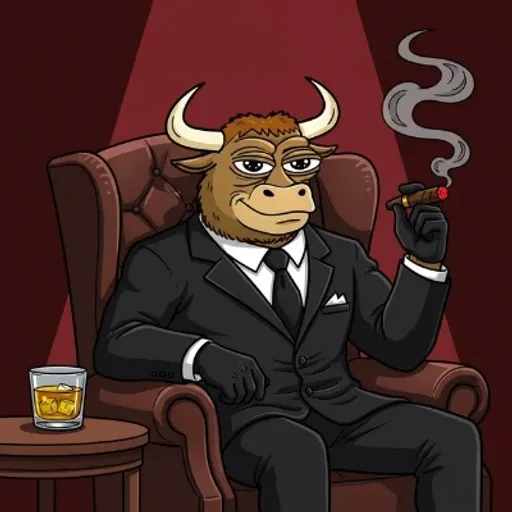
From there, Kek evolved from a simple laugh into something much bigger within meme culture. It became associated especially with chaotic and random content, and for a time, it was closely linked to certain online political movements, particularly around 2016. Many remember it connected to the Pepe the Frog meme during that period.
The term even developed its own movement called "Kekistan," which was basically a fictional nation of internet trolls. It was quite controversial because it combined internet humor with politically charged content, so it quickly became something people avoided mentioning in certain spaces.
Today, what Kek means is more of a relic of internet history. It remains part of meme culture but mainly as nostalgia or a historical reference to how online humor evolved. Most people now use it simply to laugh or when talking about the old days of the internet, without the political baggage it once carried.
What’s interesting is that the meaning really depends on the context. For some, it’s just a laugh; for others, it’s a reminder of a specific era of online culture. Either way, it’s one of those terms that shows how something so random can become part of the identity of entire communities on the internet.