
Futures
Access hundreds of perpetual contracts
TradFi
Gold
One platform for global traditional assets
Options
Hot
Trade European-style vanilla options
Unified Account
Maximize your capital efficiency
Demo Trading
Introduction to Futures Trading
Learn the basics of futures trading
Futures Events
Join events to earn rewards
Demo Trading
Use virtual funds to practice risk-free trading
Launch
CandyDrop
Collect candies to earn airdrops
Launchpool
Quick staking, earn potential new tokens
HODLer Airdrop
Hold GT and get massive airdrops for free
Launchpad
Be early to the next big token project
Alpha Points
Trade on-chain assets and earn airdrops
Futures Points
Earn futures points and claim airdrop rewards


More




I was looking at the data on global oil reserves, and it reminded me how the geopolitics of oil continues to be the real game-changer in the global markets. Basically, the top 10 oil-producing countries control the situation, but what’s interesting is how reserves don’t automatically translate into economic power.
Let’s start with Venezuela. It has about 303 billion barrels, more than anyone else in the world. Theoretically, it should be an absolute oil powerhouse, but the reality is completely different. Venezuelan crude is extra heavy, difficult to refine, and amid political instability, sanctions, and American influence, production has plummeted below one million barrels per day. It’s a textbook case of how reserves mean nothing without stability and infrastructure.
Saudi Arabia, on the other hand, has understood the game well. With 267 billion barrels and easily exploitable fields, it remains one of the top exporters worldwide. The difference? Their oil is light, accessible, and cheap to extract. That’s why Riyadh has disproportionate influence on global prices, especially through OPEC+. When Saudi Arabia acts as a ‘balancing producer,’ the entire market feels the impact.
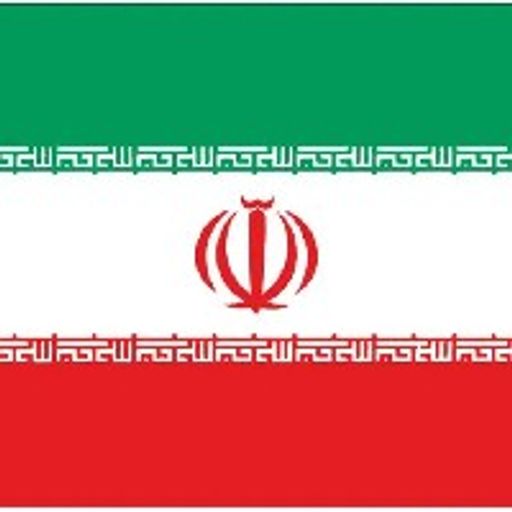
Iran is interesting to watch. Third with 209 billion barrels, but completely blocked by sanctions. But here’s a twist: in 2025, Iranian exports reached their highest levels in seven years. It means they’re finding alternative routes, including smuggling. The Iranian oil industry continues to operate despite everything.
Canada, fourth with 163 billion barrels, faces a different problem: most reserves are in Alberta’s oil sands, which are costly and energy-intensive to extract. It remains an important exporter to the U.S., but with the possible return of Venezuelan oil to the American market, it could face fiercer competition.
Iraq, fifth with 145 billion, is the backbone of energy in the Middle East. The problem? Internal conflicts and weak infrastructure have hampered its production potential. Still, it remains crucial for Asian and European markets.
The United Arab Emirates and Kuwait? Over 100 billion barrels each. Russia has more than 80 billion but remains pressured by sanctions. The U.S., tenth in total reserves, is still among the top producers thanks to shale technology rather than massive underground fields.
What emerges from looking at the top 10 oil-producing countries is that reserve rankings don’t match market power rankings. Stability, technology, market access, and geopolitical alliances matter more. Oil remains deeply intertwined with politics, and the coming years will likely see further shifts in this fragile balance. It’s worth monitoring how these changes will influence global energy markets.