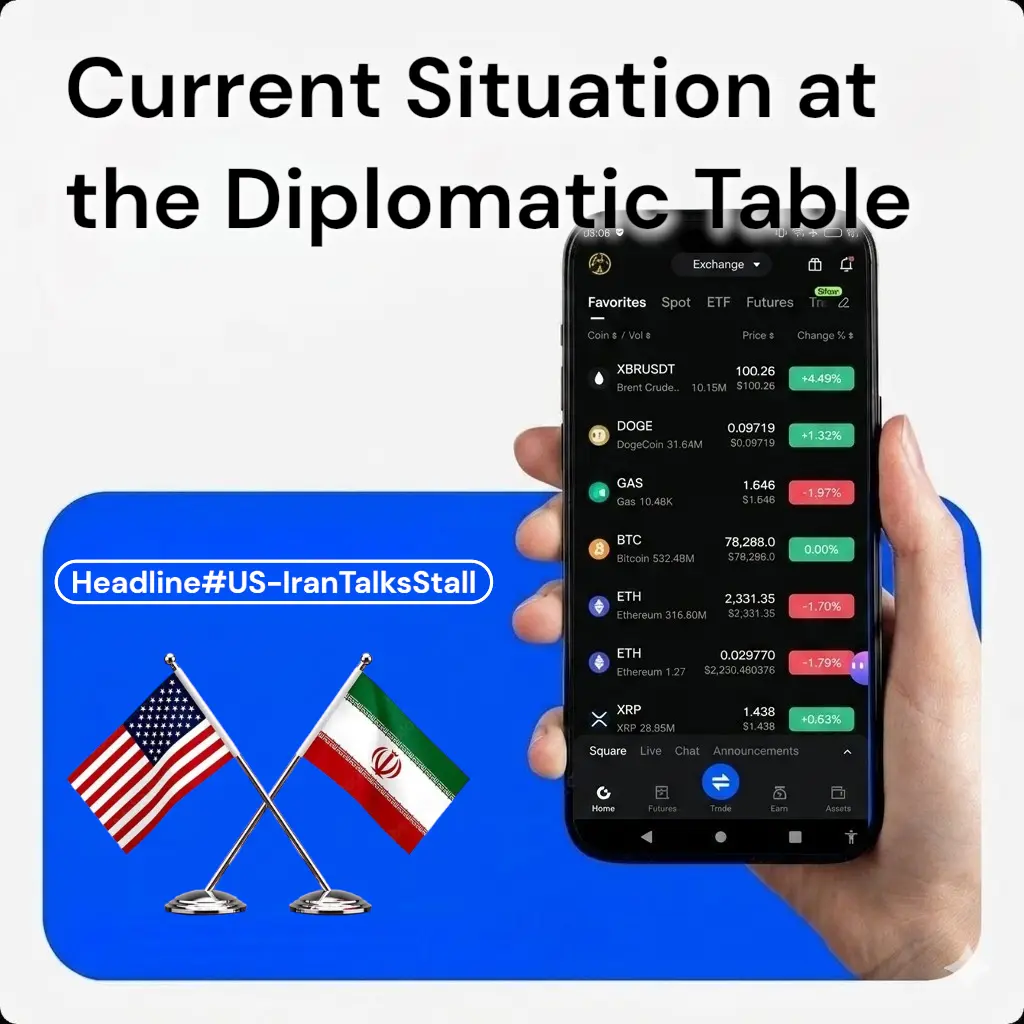

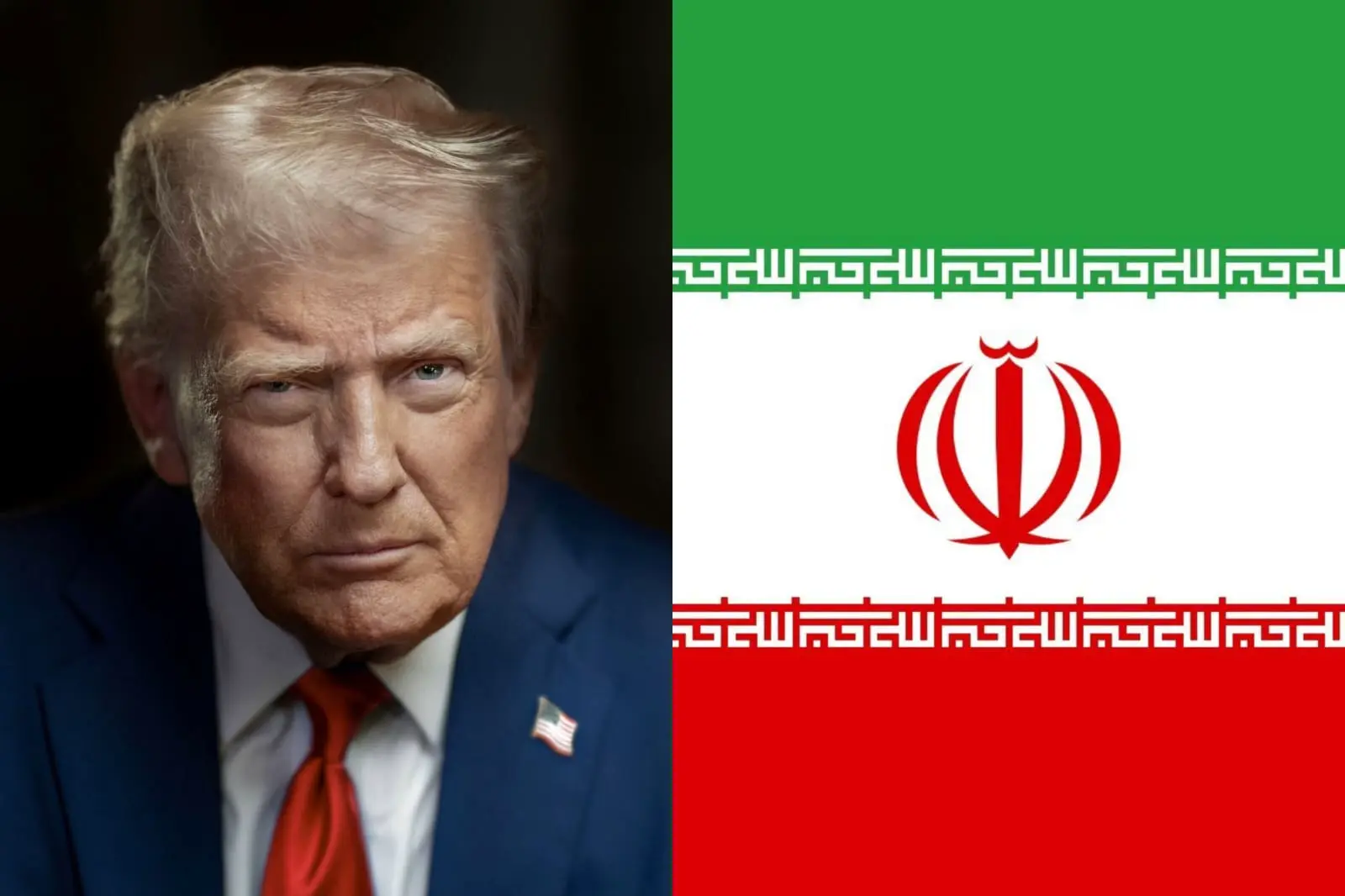






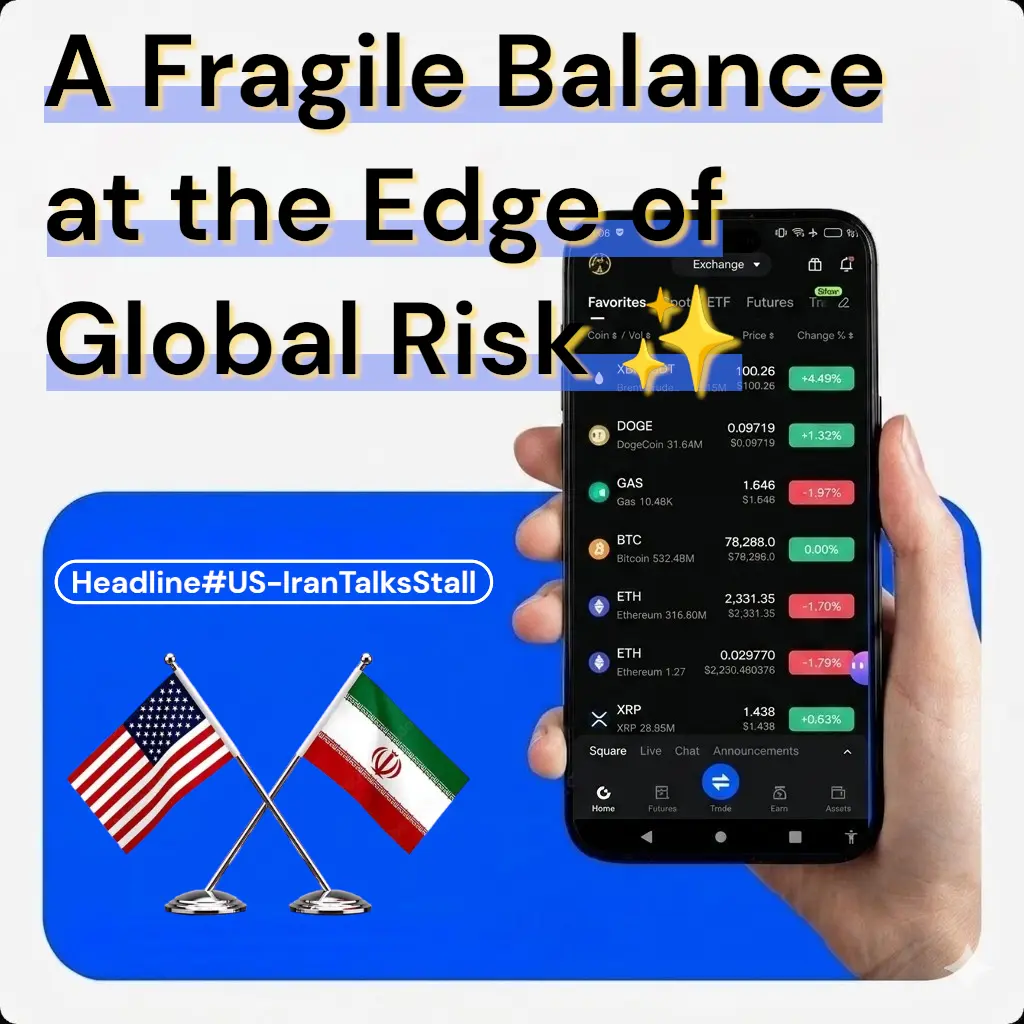
#US-IranTalksStall In a period when global balances are being rewritten, the renewed deadlock in negotiations between the US and Iran is a critical turning point that directly affects not only the two countries but also the entire global economy and security architecture.
According to recent developments, while diplomatic contacts between the parties have failed to yield concrete progress, military and economic pressure is steadily increasing. The US expansion of its naval blockade centered on the Strait of Hormuz and its increased global control poses serious risks to energy supply security. ✨
In response, Iran emphasizes that reopening the strait is "impossible" under the current conditions, and the reciprocal actions have almost paralyzed maritime trade. This situation is causing oil prices to rise and global economic uncertainty to deepen. ✨
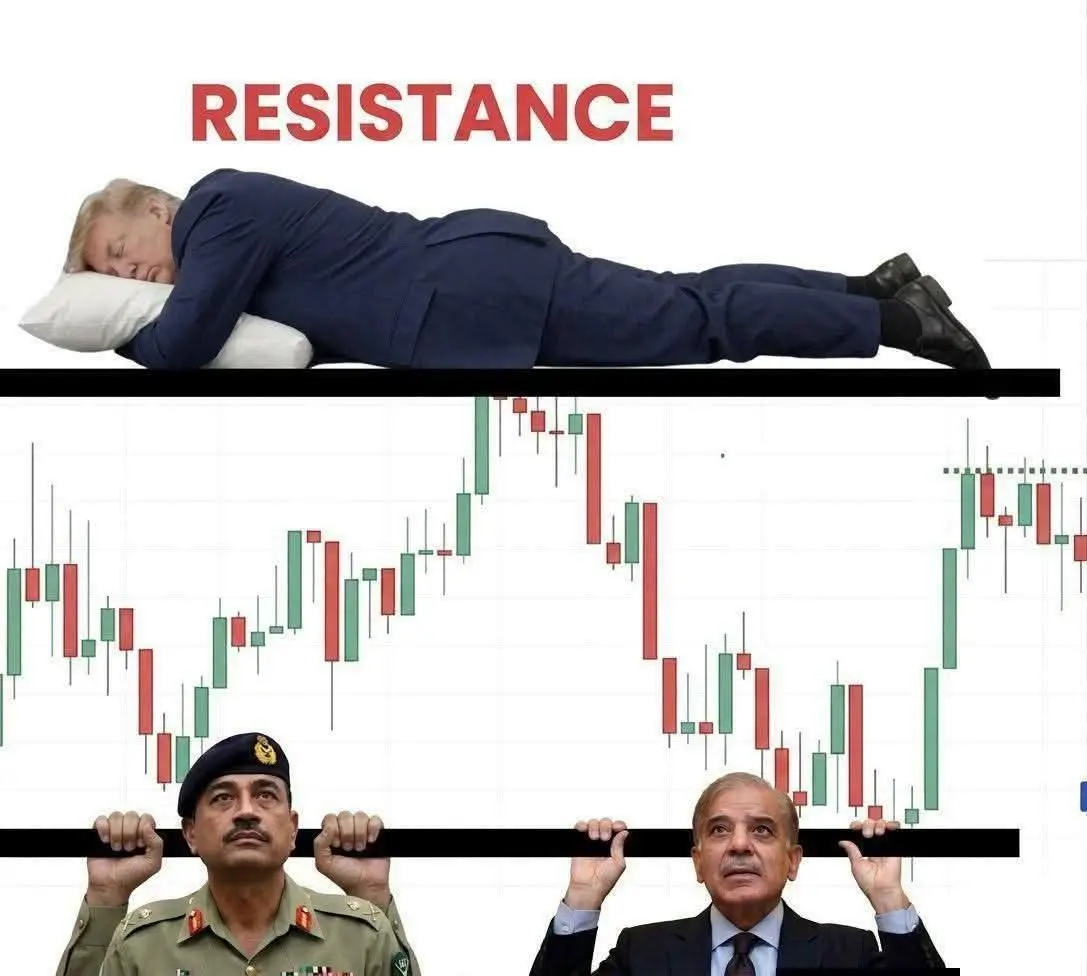
The diplomatic channel is not entirely closed. A new round of negotiations is planned in Pakistan; however, the absence of high-level representatives from both sides indicates the weakening importance of the process. This strongly signals that the talks may remain at a symbolic level.
On the other hand, military preparations on the ground reveal that harsher scenarios could unfold if diplomacy fails. It is reported that the US is working on possible operational plans and developing "dynamic targeting" strategies. ✨
The critical question at this point is:
Will this process evolve into a new agreement, or will controlled tension give way to direct conflict?
What is clear is that time is running out, risks are growing, and the global system is moving towards a threshold where it can no longer bear the consequences of this tension.
This fine line between strategic patience and power projection will be the most decisive factor in determining the direction of the international order in the coming days. ✨
According to recent developments, while diplomatic contacts between the parties have failed to yield concrete progress, military and economic pressure is steadily increasing. The US expansion of its naval blockade centered on the Strait of Hormuz and its increased global control poses serious risks to energy supply security. ✨
In response, Iran emphasizes that reopening the strait is "impossible" under the current conditions, and the reciprocal actions have almost paralyzed maritime trade. This situation is causing oil prices to rise and global economic uncertainty to deepen. ✨
The diplomatic channel is not entirely closed. A new round of negotiations is planned in Pakistan; however, the absence of high-level representatives from both sides indicates the weakening importance of the process. This strongly signals that the talks may remain at a symbolic level.
On the other hand, military preparations on the ground reveal that harsher scenarios could unfold if diplomacy fails. It is reported that the US is working on possible operational plans and developing "dynamic targeting" strategies. ✨
The critical question at this point is:
Will this process evolve into a new agreement, or will controlled tension give way to direct conflict?
What is clear is that time is running out, risks are growing, and the global system is moving towards a threshold where it can no longer bear the consequences of this tension.
This fine line between strategic patience and power projection will be the most decisive factor in determining the direction of the international order in the coming days. ✨