 :
:
#OilPricesResumeUptrend
Have the Rules Changed in the Oil Market?
The New Game Changer: Geopolitical Risk
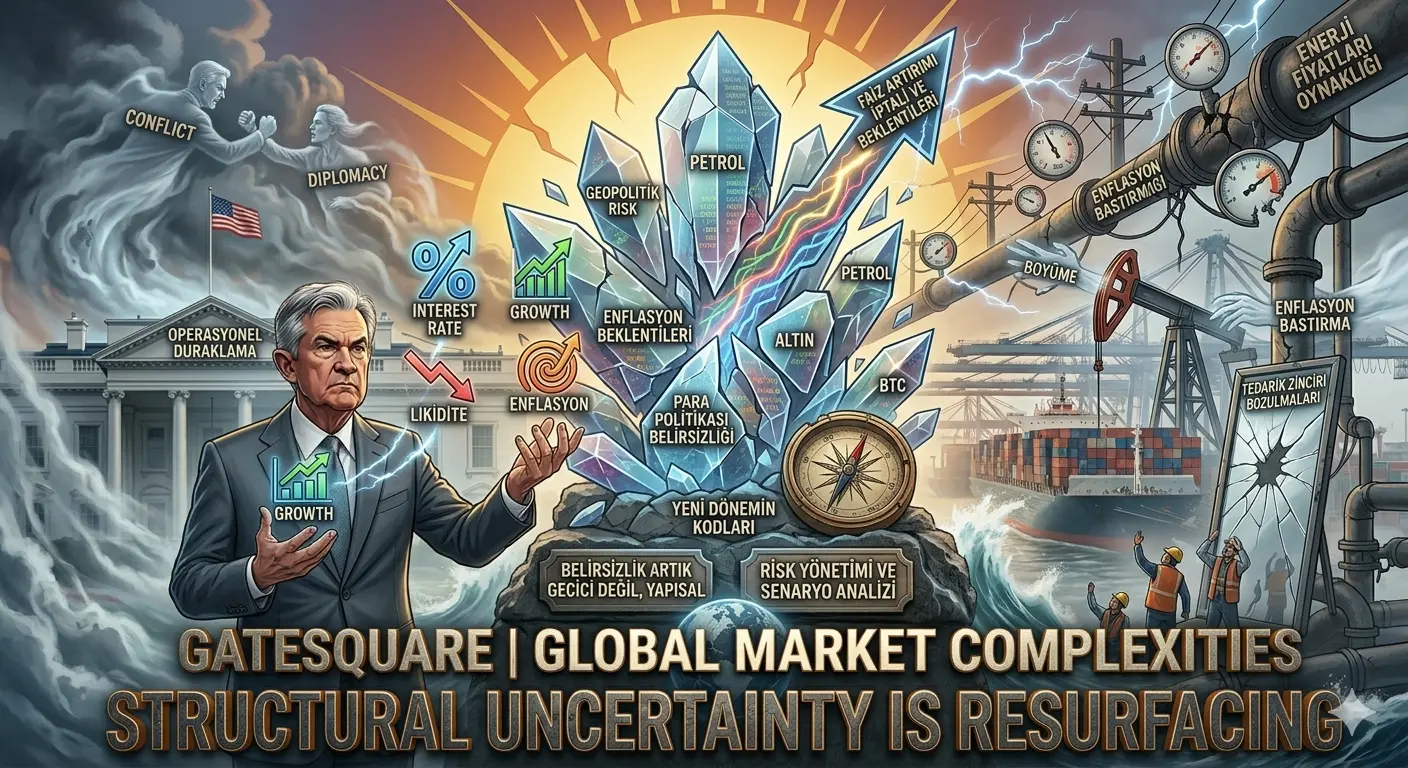
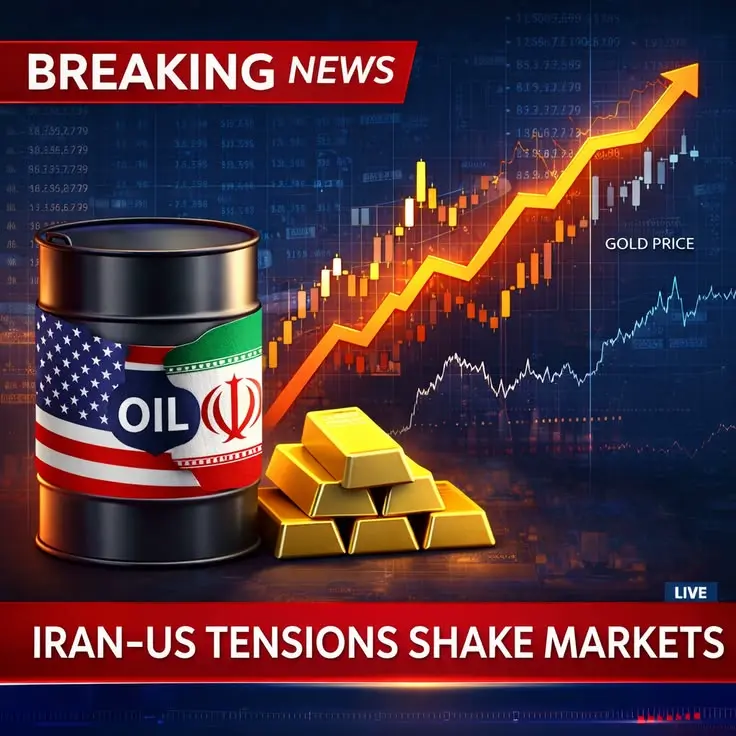
The main agenda for global markets in the first quarter of 2026 has become clear: oil. The renewed acceleration in prices has transcended a simple supply-demand issue and transformed into a direct geopolitical chess game. With Brent oil surpassing $110, the question on everyone's mind is the same: Is this just a fluctuation, or is it a harbinger of a new economic storm?
3 Main Dynamics Fueling Prices
So, what's behind this rise?
Supply Security and Risk Premium: Tensions in the Middle East, particularly the sensitivity surrounding the Strait of Hormuz, have injected a "risk premium" into the market. Markets are no longer just counting barrels, but also pricing in the potential risk of conflict. This explains why prices react so sharply and instantly.
Structural Supply Tightness: This isn't just a panic. The decline in the number of drilling rigs in the US and the focus of major energy companies on profitability rather than new investments are reinforcing concerns that supply will not be able to keep up with demand in the short term. In short, there is less flexibility in the system.
Chain Reaction: The impact of rising oil prices is immediately felt from the gas pump to the stock market. Gasoline prices approaching $4 per gallon in the US are eroding consumer confidence, while increasing inflationary pressure is dampening growth expectations and creating a sell-off in stock markets.
Uncertainty Persists, Direction Lies in Diplomacy
The current situation shows that oil prices are now determined more by "geopolitical risk management" than by the supply-demand balance. While institutions like Goldman Sachs maintain high price expectations, the market is also listening for news from diplomatic channels.
In short, the direction of oil prices in the coming period will be determined more by negotiation tables than by oil fields. If tensions continue, we should be prepared for a new wave of inflation. However, if diplomacy prevails, this sharp rise could quickly give way to normalization. For now, the only thing that is certain is that uncertainty in the markets is persistent.
Have the Rules Changed in the Oil Market?
The New Game Changer: Geopolitical Risk
The main agenda for global markets in the first quarter of 2026 has become clear: oil. The renewed acceleration in prices has transcended a simple supply-demand issue and transformed into a direct geopolitical chess game. With Brent oil surpassing $110, the question on everyone's mind is the same: Is this just a fluctuation, or is it a harbinger of a new economic storm?
3 Main Dynamics Fueling Prices
So, what's behind this rise?
Supply Security and Risk Premium: Tensions in the Middle East, particularly the sensitivity surrounding the Strait of Hormuz, have injected a "risk premium" into the market. Markets are no longer just counting barrels, but also pricing in the potential risk of conflict. This explains why prices react so sharply and instantly.
Structural Supply Tightness: This isn't just a panic. The decline in the number of drilling rigs in the US and the focus of major energy companies on profitability rather than new investments are reinforcing concerns that supply will not be able to keep up with demand in the short term. In short, there is less flexibility in the system.
Chain Reaction: The impact of rising oil prices is immediately felt from the gas pump to the stock market. Gasoline prices approaching $4 per gallon in the US are eroding consumer confidence, while increasing inflationary pressure is dampening growth expectations and creating a sell-off in stock markets.
Uncertainty Persists, Direction Lies in Diplomacy
The current situation shows that oil prices are now determined more by "geopolitical risk management" than by the supply-demand balance. While institutions like Goldman Sachs maintain high price expectations, the market is also listening for news from diplomatic channels.
In short, the direction of oil prices in the coming period will be determined more by negotiation tables than by oil fields. If tensions continue, we should be prepared for a new wave of inflation. However, if diplomacy prevails, this sharp rise could quickly give way to normalization. For now, the only thing that is certain is that uncertainty in the markets is persistent.