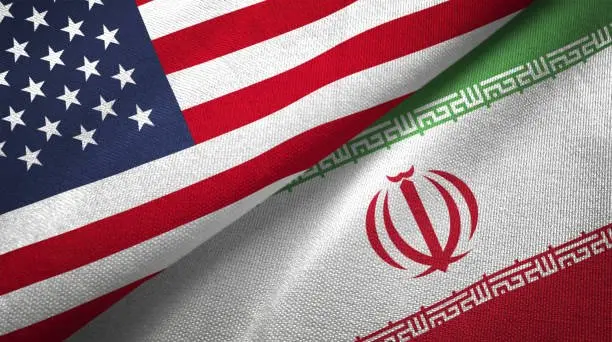























✨Iran maintains its ballistic missile program as a red line
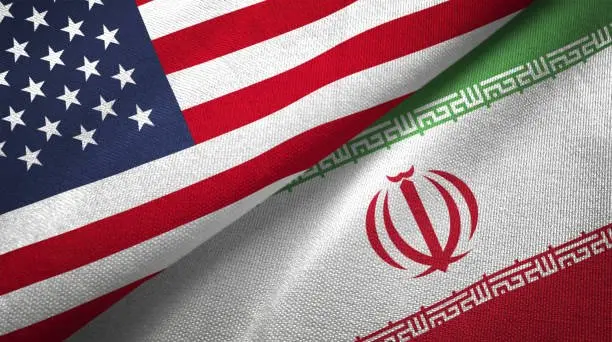
🔹 Iranian officials reiterated that nuclear talks with the US can only cover the nuclear program, and that ballistic missiles and regional influence (Axis of Resistance) are absolutely non-negotiable. Senior Iranian official Ali Larijani clarified this position in a statement in Oman, saying, "Missile and military issues have nothing to do with the nuclear issue." Ali Larijani's visit to Oman and meeting with Houthi official
🔹 On February 10, Ali Larijani, Secretary of the Iranian National Security Council, visited Oman and met with both Omani officials and Mohammad Abdulsalam, the Houthi spokesman in Oman. These meetings addressed regional developments (particularly Gaza and possible US/Israeli military actions) and conveyed the message that Iran continues its support for its proxy forces. According to Israeli intelligence, Iran's ballistic missile stockpile is rapidly increasing
🔹 Israeli sources claim that Iran could reach 1,800-2,000 ballistic missiles in the coming weeks/months. This information was presented to the US before Netanyahu's meeting with Trump.
Tensions reach their peak before the Trump-Netanyahu meeting
🔹 Israeli Prime Minister Benjamin Netanyahu met with Donald Trump at the White House on February 11. One of the main agenda items of the meeting was the Iranian nuclear negotiations. It was stated that Netanyahu is against an agreement focused solely on the nuclear issue and wanted to warn Trump against Jared Kushner and Steve Witkoff's "quick deal" proposals that exclude the missile program.
Conflicting signals from Trump
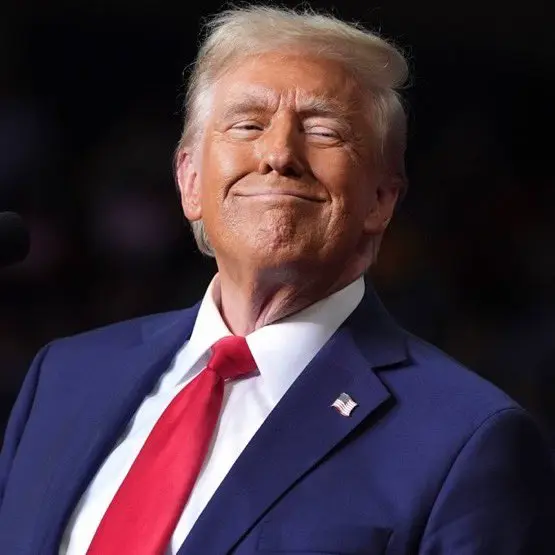
🔹 Trump told Netanyahu that the missile program should also be included in the agreement, but in his previous statements he had implied that he might be open to an agreement focused solely on the nuclear issue. This situation was interpreted by Iran as "the ambiguity of the US's intentions."
Criticism of "power language" from Iran
🔹Ali Larijani, in a statement in Oman, condemned the US military buildup (USS Abraham Lincoln carrier group and a possible second group) and sanctions threats as "power language" and argued that problems can only be solved through dialogue.
Future of talks uncertain
🔹No concrete results emerged from the indirect talks in Oman last week. Although a second round of talks is on the agenda, no date has yet been set. While the Iranian side stated that the talks were held to "test the seriousness of the US" and that the path of diplomacy remains open, analysts note that a comprehensive agreement is unlikely due to disagreements over missiles and proxy issues. 🤔 While the diplomatic process continues in the general atmosphere, the word turmoil perfectly summarizes the developments of the last two days due to military tensions (US naval activity), Israeli pressure, and the red lines of the parties. Unless a new round of talks or military action takes place, the uncertainty seems likely to continue.
#USIranNuclearTalksTurmoil
🔹 Iranian officials reiterated that nuclear talks with the US can only cover the nuclear program, and that ballistic missiles and regional influence (Axis of Resistance) are absolutely non-negotiable. Senior Iranian official Ali Larijani clarified this position in a statement in Oman, saying, "Missile and military issues have nothing to do with the nuclear issue." Ali Larijani's visit to Oman and meeting with Houthi official
🔹 On February 10, Ali Larijani, Secretary of the Iranian National Security Council, visited Oman and met with both Omani officials and Mohammad Abdulsalam, the Houthi spokesman in Oman. These meetings addressed regional developments (particularly Gaza and possible US/Israeli military actions) and conveyed the message that Iran continues its support for its proxy forces. According to Israeli intelligence, Iran's ballistic missile stockpile is rapidly increasing
🔹 Israeli sources claim that Iran could reach 1,800-2,000 ballistic missiles in the coming weeks/months. This information was presented to the US before Netanyahu's meeting with Trump.
Tensions reach their peak before the Trump-Netanyahu meeting
🔹 Israeli Prime Minister Benjamin Netanyahu met with Donald Trump at the White House on February 11. One of the main agenda items of the meeting was the Iranian nuclear negotiations. It was stated that Netanyahu is against an agreement focused solely on the nuclear issue and wanted to warn Trump against Jared Kushner and Steve Witkoff's "quick deal" proposals that exclude the missile program.
Conflicting signals from Trump
🔹 Trump told Netanyahu that the missile program should also be included in the agreement, but in his previous statements he had implied that he might be open to an agreement focused solely on the nuclear issue. This situation was interpreted by Iran as "the ambiguity of the US's intentions."
Criticism of "power language" from Iran
🔹Ali Larijani, in a statement in Oman, condemned the US military buildup (USS Abraham Lincoln carrier group and a possible second group) and sanctions threats as "power language" and argued that problems can only be solved through dialogue.
Future of talks uncertain
🔹No concrete results emerged from the indirect talks in Oman last week. Although a second round of talks is on the agenda, no date has yet been set. While the Iranian side stated that the talks were held to "test the seriousness of the US" and that the path of diplomacy remains open, analysts note that a comprehensive agreement is unlikely due to disagreements over missiles and proxy issues. 🤔 While the diplomatic process continues in the general atmosphere, the word turmoil perfectly summarizes the developments of the last two days due to military tensions (US naval activity), Israeli pressure, and the red lines of the parties. Unless a new round of talks or military action takes place, the uncertainty seems likely to continue.
#USIranNuclearTalksTurmoil