

Trade
Basic
Futures
Futures
Hundreds of contracts settled in USDT or BTC
TradFi
Gold
Trade global traditional assets with USDT in one place
Options
Hot
Trade European-style vanilla options
Unified Account
Maximize your capital efficiency
Demo Trading
Futures Kickoff
Get prepared for your futures trading
Futures Events
Participate in events to win generous rewards
Demo Trading
Use virtual funds to experience risk-free trading
Earn
Launch
CandyDrop
Collect candies to earn airdrops
Launchpool
Quick staking, earn potential new tokens
HODLer Airdrop
Hold GT and get massive airdrops for free
Launchpad
Be early to the next big token project
Alpha Points
New
Trade on-chain assets and enjoy airdrop rewards!
Futures Points
New
Earn futures points and claim airdrop rewards
Investment
Simple Earn
Earn interests with idle tokens
Auto-Invest
Auto-invest on a regular basis
Dual Investment
Buy low and sell high to take profits from price fluctuations
Soft Staking
Earn rewards with flexible staking
Crypto Loan
0 Fees
Pledge one crypto to borrow another
Lending Center
One-stop lending hub
VIP Wealth Hub
Customized wealth management empowers your assets growth
Private Wealth Management
Customized asset management to grow your digital assets
Quant Fund
Top asset management team helps you profit without hassle
Staking
Stake cryptos to earn in PoS products
Smart Leverage
New
No forced liquidation before maturity, worry-free leveraged gains
GUSD Minting
Use USDT/USDC to mint GUSD for treasury-level yields

More


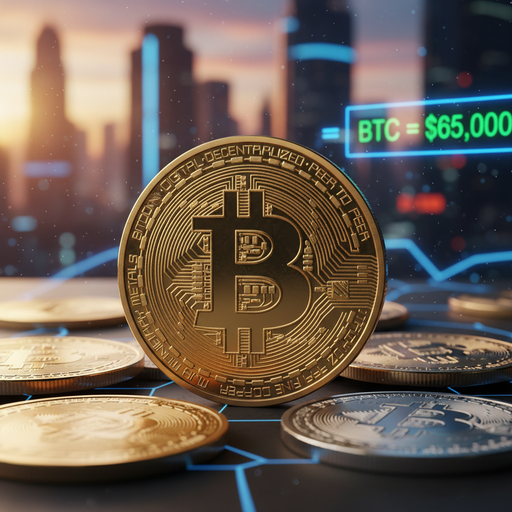




BTC has retreated to the $92,000 level amid unexpected tariff measures
Bitcoin reached a critical point in the market in mid-January. After a brief rally above $95,000 — a level not seen since November of last year — the price soared near $98,000. However, just a few hours later, the situation changed dramatically, and BTC dropped to around $92,000, leading to the closure of positions totaling approximately $850 million across global markets.
Causes of the short-term rally to $95,000
The cryptocurrency’s rise was driven by several positive factors simultaneously. First, the capital flow into Bitcoin ETFs remained stable, demonstrating sustained institutional investor demand. Second, inflation data came in weaker than expected, reducing concerns about tightening monetary policy. Additionally, Bitcoin showed a recovery in trading dynamics compared to physical assets, strengthening its reputation as a digital store of value.
Sharp decline to $92,000: the role of political factors
Unexpected reports of Trump imposing tariffs on eight European countries created a wave of macroeconomic risks in the market. This move instantly reversed the positive trend, prompting traders to close long positions. In response, the European Union began preparing retaliatory measures worth approximately €93 billion, further increasing uncertainty in global financial markets. This demonstrates how sensitive the cryptocurrency market is to geopolitical events and trade conflicts.
Development of tokenization and regulatory initiatives
Amid price fluctuations, important regulatory trends continue to develop. The Clarity Act faced obstacles in the legislative process due to internal disagreements. At the same time, Goldman Sachs is actively exploring practical applications of tokenization technologies, recognizing the potential of digital assets. South Korea is revising legislation on tokenized securities, and the New York Stock Exchange is studying mechanisms for implementing tokenized trading, indicating a global trend of integrating blockchain into traditional financial systems.
Current state and prospects
Currently, it is crucial for the market to keep Bitcoin above the $92,000 level, as this mark serves as a critical support. As of the end of January 2026, the BTC price was $81,280, indicating a significant correction after January’s events. The 24-hour range fluctuated between $80,830 and $84,630, demonstrating ongoing volatility. The further movement of the cryptocurrency will largely depend on the development of trading relations and progress in regulatory areas, adding uncertainty in the short term.