

Trade
Basic
Futures
Futures
Hundreds of contracts settled in USDT or BTC
TradFi
Gold
Trade global traditional assets with USDT in one place
Options
Hot
Trade European-style vanilla options
Unified Account
Maximize your capital efficiency
Demo Trading
Futures Kickoff
Get prepared for your futures trading
Futures Events
Participate in events to win generous rewards
Demo Trading
Use virtual funds to experience risk-free trading
Earn
Launch
CandyDrop
Collect candies to earn airdrops
Launchpool
Quick staking, earn potential new tokens
HODLer Airdrop
Hold GT and get massive airdrops for free
Launchpad
Be early to the next big token project
Alpha Points
New
Trade on-chain assets and enjoy airdrop rewards!
Futures Points
New
Earn futures points and claim airdrop rewards
Investment
Simple Earn
Earn interests with idle tokens
Auto-Invest
Auto-invest on a regular basis
Dual Investment
Buy low and sell high to take profits from price fluctuations
Soft Staking
Earn rewards with flexible staking
Crypto Loan
0 Fees
Pledge one crypto to borrow another
Lending Center
One-stop lending hub
VIP Wealth Hub
Customized wealth management empowers your assets growth
Private Wealth Management
Customized asset management to grow your digital assets
Quant Fund
Top asset management team helps you profit without hassle
Staking
Stake cryptos to earn in PoS products
Smart Leverage
New
No forced liquidation before maturity, worry-free leveraged gains
GUSD Minting
Use USDT/USDC to mint GUSD for treasury-level yields

More






Ray Dalio's latest interpretation: The global de-dollarization wave is accelerating
Billionaire investor Ray Dalio recently spoke out again, systematically outlining the multiple challenges facing the US dollar’s reserve currency status. According to NS3 reports, this well-known investor believes that the imbalance in global debt structures, escalating international trade frictions, and shifts in the geopolitical landscape are working together to weaken the international credibility of the dollar.
Contrasts Between US Dollar Depreciation Signals and Central Bank Actions
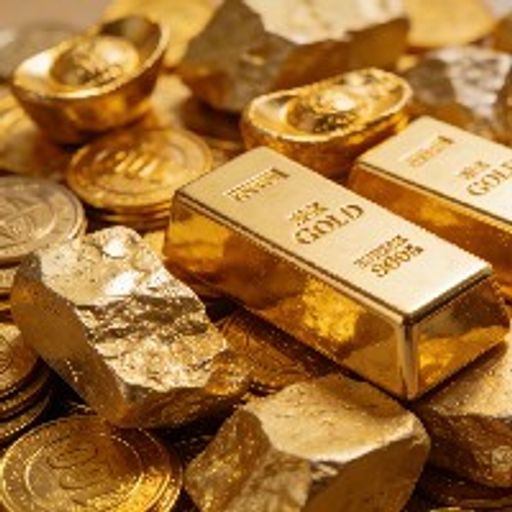
The US dollar has depreciated nearly 10% over the past year, a figure that has become a key indicator of a shift in market sentiment. Meanwhile, the frequency of central banks increasing their gold reserves has noticeably risen, an act equivalent to an open vote of no confidence in the dollar. The continued rise in tariff barriers, especially trade frictions triggered by geopolitical disputes around Greenland and other regions, further reinforce this trend, indicating that the international community’s doubts about the dollar’s dominant position are expanding.
Long-term Impact of the De-dollarization Wave
Ray Dalio believes that this series of changes will profoundly reshape the global economic landscape. The loosening of the US dollar’s reserve currency status could drive the transfer of global economic leadership to emerging powers (especially China), marking a major geopolitical-economic shift in the 21st century.