

Trade
Basic
Futures
Futures
Hundreds of contracts settled in USDT or BTC
TradFi
Gold
Trade global traditional assets with USDT in one place
Options
Hot
Trade European-style vanilla options
Unified Account
Maximize your capital efficiency
Demo Trading
Futures Kickoff
Get prepared for your futures trading
Futures Events
Participate in events to win generous rewards
Demo Trading
Use virtual funds to experience risk-free trading
Earn
Launch
CandyDrop
Collect candies to earn airdrops
Launchpool
Quick staking, earn potential new tokens
HODLer Airdrop
Hold GT and get massive airdrops for free
Launchpad
Be early to the next big token project
Alpha Points
New
Trade on-chain assets and enjoy airdrop rewards!
Futures Points
New
Earn futures points and claim airdrop rewards
Investment
Simple Earn
Earn interests with idle tokens
Auto-Invest
Auto-invest on a regular basis
Dual Investment
Buy low and sell high to take profits from price fluctuations
Soft Staking
Earn rewards with flexible staking
Crypto Loan
0 Fees
Pledge one crypto to borrow another
Lending Center
One-stop lending hub
VIP Wealth Hub
Customized wealth management empowers your assets growth
Private Wealth Management
Customized asset management to grow your digital assets
Quant Fund
Top asset management team helps you profit without hassle
Staking
Stake cryptos to earn in PoS products
Smart Leverage
New
No forced liquidation before maturity, worry-free leveraged gains
GUSD Minting
Use USDT/USDC to mint GUSD for treasury-level yields

More


Trending Topics
View More32.2K Popularity
67.76K Popularity
369.59K Popularity
48.13K Popularity
67.16K Popularity




Pin
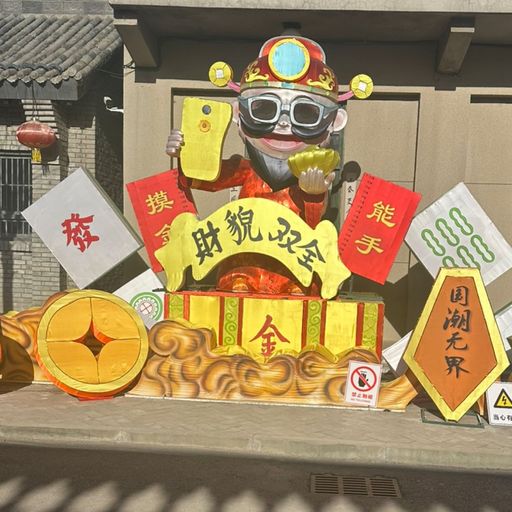
"Pixiu Pan" Scam Analysis: The Cryptocurrency Trap That's Easy to Enter but Hard to Exit
In the cryptocurrency market, “Pixiu Coins” are a type of highly concealed scam tokens, named after the mythical beast Pixiu from ancient Chinese legends. This metaphor aptly describes the characteristics of such tokens—users can purchase them, but can never sell them back. The funds are swallowed by the Pixiu and can never be spit out again. This tactic has caused significant losses among retail investors and requires all participants to remain highly vigilant.
The True Face of Pixiu Coins: How Technical Traps Work
On the surface, Pixiu Coins appear to be an ordinary digital currency project. They often demonstrate strong upward momentum in the early stages, stimulating investors’ desire to buy. However, these tokens are embedded with deadly restrictions at the smart contract level. The project team sets up control mechanisms through whitelist functions and transfer functions, locking ordinary users into a state where they cannot sell.
Specifically, the whitelist addresses in the code are strictly hidden, and only the admin address controlled by the project team can perform transfer operations. Most participants’ addresses are preset to a non-sell state, resulting in an inability to sell tokens through normal channels after purchase. Even if users realize they have been scammed, they are powerless to change the situation because the contract control remains firmly in the hands of the scammers.
How to Identify Pixiu Coins: Essential Anti-Fraud Skills for Investors
Identifying Pixiu Coins requires examining the project’s transparency from multiple dimensions. First, check whether the source code of the smart contract is fully published on a blockchain explorer, especially whether the transfer functions have any special restrictions. If the contract code is vague or shows signs of black-box operations, immediate caution is advised.
Next, observe the project’s liquidity and trading depth. Genuine projects will have stable two-way trading on decentralized exchanges, with buy and sell orders executing smoothly. Pixiu Coins, on the other hand, often only allow one-way purchasing, making it impossible to sell on exchanges, or showing artificially inflated trading volumes that cannot be traded in reality. Additionally, check the transparency of the project team—scam projects usually avoid disclosing identities and may use anonymous or fake developer information.
Stay Away from Pixiu Coins: Protect Your Investment Security
In the face of the threat posed by Pixiu Coins, investors need to build multiple layers of defense. Most importantly, cultivate a cautious mindset and remain skeptical of any tokens promising short-term rapid gains. The herd mentality of chasing “air coins” often leads investors to blindly follow trends, which is exactly the psychological vulnerability scammers exploit.
Before deciding to purchase any new coin, take the time to study the contract code, verify the project’s background, and review community feedback. Using reputable trading platforms and security audit reports can significantly reduce risks. More importantly, never invest more than you can afford to lose into emerging or unknown projects.
Remember, Pixiu Coins are just one form of digital currency scam. Investing in crypto assets inherently carries risks, and encountering contract-level scams like Pixiu Coins presents an even higher risk. By improving your ability to identify scams and strictly following risk management principles, you can protect your assets in this market full of opportunities but also full of traps. Investment involves risks—stay cautious and steer clear of Pixiu Coins scams to safeguard every hard-earned dollar.