

Trade
Basic
Futures
Futures
Hundreds of contracts settled in USDT or BTC
Options
HOT
Trade European-style vanilla options
Unified Account
Maximize your capital efficiency
Demo Trading
Futures Kickoff
Get prepared for your futures trading
Futures Events
Participate in events to win generous rewards
Demo Trading
Use virtual funds to experience risk-free trading
Earn
Launch
CandyDrop
Collect candies to earn airdrops
Launchpool
Quick staking, earn potential new tokens
HODLer Airdrop
Hold GT and get massive airdrops for free
Launchpad
Be early to the next big token project
Alpha Points
NEW
Trade on-chain assets and enjoy airdrop rewards!
Futures Points
NEW
Earn futures points and claim airdrop rewards
Investment
Simple Earn
Earn interests with idle tokens
Auto-Invest
Auto-invest on a regular basis
Dual Investment
Buy low and sell high to take profits from price fluctuations
Soft Staking
Earn rewards with flexible staking
Crypto Loan
0 Fees
Pledge one crypto to borrow another
Lending Center
One-stop lending hub
VIP Wealth Hub
Customized wealth management empowers your assets growth
Private Wealth Management
Customized asset management to grow your digital assets
Quant Fund
Top asset management team helps you profit without hassle
Staking
Stake cryptos to earn in PoS products
Smart Leverage
NEW
No forced liquidation before maturity, worry-free leveraged gains
GUSD Minting
Use USDT/USDC to mint GUSD for treasury-level yields

More


Trending Topics
View More54.69K Popularity
35.02K Popularity
19.96K Popularity
65.34K Popularity
346.58K Popularity




Pin
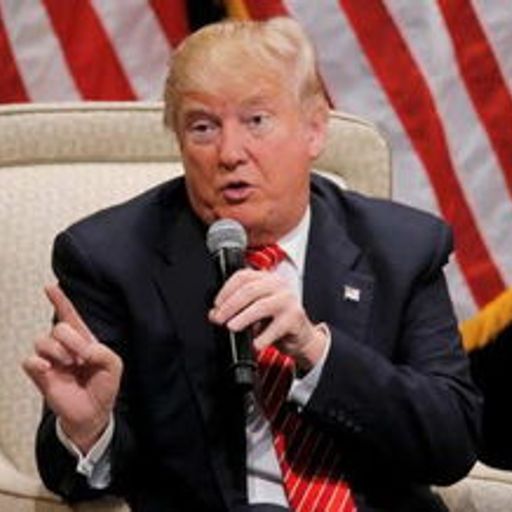
Polls Drop Below Freezing Point: Trump's Support Rate Hits New Low, Tariffs and Inflation Become Major Concerns
【BlockBeats】The latest polling data reveals an interesting phenomenon: US stocks have continued to rise in early 2025, but Trump’s political support is rapidly declining. According to a joint survey by The Economist and YouGov, Trump’s current approval rating is only 37%, with an opposition rate of 57%, and a net support of -20%, marking his lowest point in his second term.
Even more concerning is the emergence of cracks within the Republican Party. Support within the party has plummeted from 88% to 79% in just one week, a significant drop. Public dissatisfaction is clearly directed at tariff policies. 69% of respondents directly stated that tariffs have increased their daily expenses, with rising prices being the biggest pain point. This stands in stark contrast to the stock market boom.
On the monetary policy front, public trust in the Federal Reserve is noticeably higher. 44% of voters trust Fed Chair Powell’s interest rate decisions, while only 18% trust the White House’s economic judgments, reflecting widespread market skepticism about administrative interference in monetary policy.
Geopolitical uncertainties are also dragging down public opinion. Whether it’s a tough stance on Greenland or military posturing regarding Venezuela, most voters oppose these actions. Analysts believe that the bull market has not translated into political gains, and inflation pressures along with diplomatic risks are becoming the core drivers behind the declining approval ratings.