

Trade
Basic
Futures
Futures
Hundreds of contracts settled in USDT or BTC
Options
HOT
Trade European-style vanilla options
Unified Account
Maximize your capital efficiency
Demo Trading
Futures Kickoff
Get prepared for your futures trading
Futures Events
Participate in events to win generous rewards
Demo Trading
Use virtual funds to experience risk-free trading
Earn
Launch
CandyDrop
Collect candies to earn airdrops
Launchpool
Quick staking, earn potential new tokens
HODLer Airdrop
Hold GT and get massive airdrops for free
Launchpad
Be early to the next big token project
Alpha Points
NEW
Trade on-chain assets and enjoy airdrop rewards!
Futures Points
NEW
Earn futures points and claim airdrop rewards
Investment
Simple Earn
Earn interests with idle tokens
Auto-Invest
Auto-invest on a regular basis
Dual Investment
Buy low and sell high to take profits from price fluctuations
Soft Staking
Earn rewards with flexible staking
Crypto Loan
0 Fees
Pledge one crypto to borrow another
Lending Center
One-stop lending hub
VIP Wealth Hub
Customized wealth management empowers your assets growth
Private Wealth Management
Customized asset management to grow your digital assets
Quant Fund
Top asset management team helps you profit without hassle
Staking
Stake cryptos to earn in PoS products
Smart Leverage
NEW
No forced liquidation before maturity, worry-free leveraged gains
GUSD Minting
Use USDT/USDC to mint GUSD for treasury-level yields

More


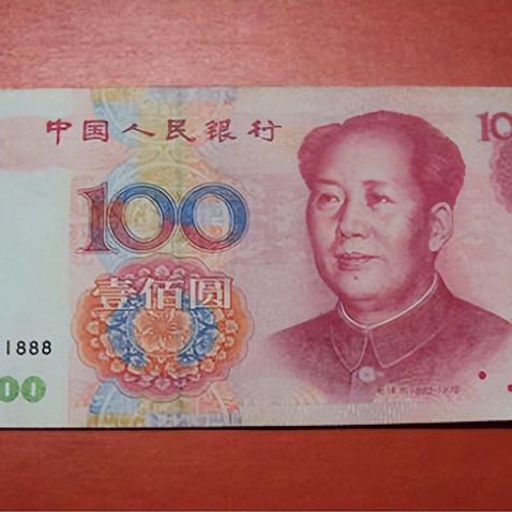


Dollar's Steepest Plunge in Eight Years: What Sent DXY Index Down 9.6% in 2025
The US Dollar Index (DXY Index) ended 2025 at 98.28, marking a dramatic 9.6% annual decline—the worst performance since 2017’s roughly 10% drop. Multiple sources confirm the weakness: Barchart reported a 9.37% year-to-date loss, while Trading Economics and Reuters aligned on the broader narrative of dollar deterioration throughout the year.
Market Forces Behind the Dollar’s Collapse
Three consecutive Federal Reserve rate cuts—each totaling 25 basis points in September, October, and December—pushed the federal funds rate down to 3.50%-3.75%. This monetary easing fundamentally reshaped currency dynamics. Lower US interest rates compressed yield differentials against other major economies, stripping the dollar of its carry trade appeal. Investors who previously gravitated toward dollar-denominated assets for superior returns now sought alternatives offering better compensation.
The DXY Index, which measures the dollar against six major currencies with the euro accounting for 57.6% weighting, reflected this shift perfectly. Starting 2025 at 109.39 on January 2, the index experienced steady deterioration month after month—a mechanical response to narrowing rate premiums that eroded the greenback’s fundamental advantage.
Trade Wars and Fiscal Strain Compound Weakness
The Trump administration’s aggressive tariff regime added another layer of pressure. Import levies from China, Europe, and beyond disrupted global supply chains while injecting policy uncertainty into markets. This environment discouraged dollar accumulation as investors questioned the sustainability of US economic strength amid rising protectionist friction.
Domestically, fiscal challenges provided no counterbalance. The FY2025 budget deficit totaled $1.8 trillion—a modest improvement from prior year only because tariff revenues offset portions of government spending. Yet the structural imbalance remained substantial, signaling ongoing fiscal stress that historically undermines reserve currency demand.
Historical Parallels and Current Positioning
The 2025 dollar weakness echoes 2017’s pattern, when the Federal Reserve shifted from rate tightening to patience amid global economic recovery. Notably, no consecutive annual declines have occurred since 2006–2007, suggesting the current move may not necessarily signal sustained structural deterioration.
The weaker dollar delivered mixed consequences. American exporters benefited as foreign buyers faced lower prices for US goods. The euro strengthened approximately 13–14% against the dollar, with other major currencies gaining proportional ground. Yet importers faced headwinds—rising costs for goods sourced abroad complicated inflation dynamics and supply chain planning for US-based businesses.
Looking Ahead: Is Stabilization Possible?
Analysts largely frame 2025’s dollar weakness as a cyclical correction rather than evidence of eroding reserve currency status. The DXY Index’s decline—confirmed at either 9.6% or 9.37% depending on calculation methodology—reflects identifiable policy drivers: rate convergence, trade disputes, and fiscal imbalance.
As 2026 unfolds, the trajectory depends heavily on Federal Reserve decisions and incoming economic data. Market consensus suggests possible stabilization is achievable, though further near-term pressure cannot be ruled out. The dollar’s path forward remains contingent on whether the Fed maintains its easing stance and whether trade policies shift toward greater stability.