

Trade
Basic
Futures
Futures
Hundreds of contracts settled in USDT or BTC
Options
HOT
Trade European-style vanilla options
Unified Account
Maximize your capital efficiency
Demo Trading
Futures Kickoff
Get prepared for your futures trading
Futures Events
Participate in events to win generous rewards
Demo Trading
Use virtual funds to experience risk-free trading
Earn
Launch
CandyDrop
Collect candies to earn airdrops
Launchpool
Quick staking, earn potential new tokens
HODLer Airdrop
Hold GT and get massive airdrops for free
Launchpad
Be early to the next big token project
Alpha Points
NEW
Trade on-chain assets and enjoy airdrop rewards!
Futures Points
NEW
Earn futures points and claim airdrop rewards
Investment
Simple Earn
Earn interests with idle tokens
Auto-Invest
Auto-invest on a regular basis
Dual Investment
Buy low and sell high to take profits from price fluctuations
Soft Staking
Earn rewards with flexible staking
Crypto Loan
0 Fees
Pledge one crypto to borrow another
Lending Center
One-stop lending hub
VIP Wealth Hub
Customized wealth management empowers your assets growth
Private Wealth Management
Customized asset management to grow your digital assets
Quant Fund
Top asset management team helps you profit without hassle
Staking
Stake cryptos to earn in PoS products
Smart Leverage
NEW
No forced liquidation before maturity, worry-free leveraged gains
GUSD Minting
Use USDT/USDC to mint GUSD for treasury-level yields

More





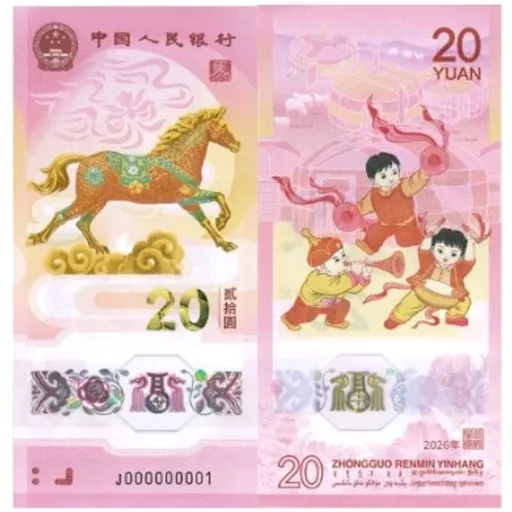
Forex: A Comprehensive Guide to Understanding the Foreign Exchange Market and Trading Mechanisms
What is the Forex Market?
Every time you exchange your currency before traveling or pay with a foreign currency, you are directly participating in the foreign exchange market. This massive market operates nonstop around the clock, with banks, companies, governments, and individuals engaging in currency exchange worldwide.
Forex trading simply involves buying a currency and benefiting from its change in value against another currency. When you trade, you always deal with currency pairs like EUR/USD or USD/JPY, where the first currency is the base and the second is the quote. The quoted price tells you how much of the second currency you need to buy one unit of the first.
This market is classified as the largest financial market globally in terms of trading volume. The average daily trading volume reached 9.6 trillion dollars according to the latest statistics in April 2025, far exceeding the combined trading volumes of global stock markets.
Basic Characteristics of the Forex Market
The market is distinguished by several features that make it unique among financial markets:
🔹 No Central Exchange: Unlike stock markets, trading occurs over a global electronic network connecting major banks and financial institutions, known as over-the-counter (OTC).
🔹 Nearly Continuous Operation: The market opens five days a week, 24 hours a day, from Sydney session to New York, allowing traders the freedom to choose convenient times.
🔹 Massive Liquidity: Large transactions can be executed without significantly affecting prices, and spreads are relatively narrow compared to other markets.
🔹 Constant Movement: Currencies continuously change in value based on various economic and political factors, providing daily opportunities for traders.
How Does Forex Trading Work?
Trading relies on comparing currencies. A currency cannot be evaluated without comparing it to another, so prices always appear as pairs.
When you decide to trade:
Since currency movements are inversely related, an increase in one currency necessarily means a decrease in the other in the pair. This makes the market based on continuous comparison of the strength and weakness of currencies.
Types of Currency Pairs
Forex pairs are divided into three main categories:
1️⃣ Major Pairs (Majors)
Include the most traded currencies worldwide and represent strong economies. They offer the highest liquidity and the narrowest spreads.
Popular pairs:
2️⃣ Minor Pairs (Minors)
Also called cross pairs because they do not include the US dollar. Less active than majors, but their spreads are higher.
Examples: EUR/GBP, EUR/CHF, GBP/JPY
3️⃣ Exotic Pairs (Exotics)
Combine a strong currency with one from emerging markets. Characterized by higher volatility and wider spreads, suitable for experienced traders.
Examples: USD/MXN, USD/THB
Basic Terms in Forex Trading
📌 Spread: The difference between the bid and ask price. The smaller, the better for the trader. Example: if the bid is 1.1050 and the ask is 1.1048, the spread equals two pips.
📌 Lot: A measurement unit that determines the size of the trade. Divided into standard, mini, and micro lots, helping manage risk. A trade of 0.01 lot means a small size suitable for beginners.
📌 Pip: The smallest unit of price movement, usually the fourth decimal place. If EUR/USD moves from 1.1000 to 1.1001, it moved by one pip.
📌 Leverage: A tool that allows increasing the size of a trade using a small part of your capital. Example: with 1:100 leverage and a $100 deposit, you can trade $10,000. But it amplifies both profits and losses.
📌 Margin: The small amount you deposit as collateral to open leveraged trades. To open a $1,000 trade, you might only need $50 margin depending on leverage.
Forex Trading Hours and Global Sessions
Trading officially begins with the Sydney session opening on Monday morning and continues until the New York session closes on Friday evening. Trading occurs over a global network, not from a single exchange, so settlement dates are automatically renewed at 5 PM New York time (Rollover process).
Best trading times are during overlaps of major sessions, especially when London overlaps with New York, where activity intensifies, liquidity increases, and prices move faster.
Conversely, activity tends to decrease during the Asian session, especially in the middle.
Main Factors Influencing the Forex Market
1️⃣ Central Bank Monetary Policies: Decisions on interest rates directly impact currency value. Raising rates makes a currency more attractive to foreign investors. Example: in 2022, the US Federal Reserve raised interest rates consecutively to combat inflation, causing the dollar to rise against the euro and yen.
2️⃣ Inflation and Economic Growth: High inflation reduces a currency’s purchasing power, while strong growth attracts investments and strengthens the currency. In 2015, China announced a slowdown in growth and lowered the yuan’s value, affecting global markets.
3️⃣ Direct Government Intervention: Central banks sometimes intervene directly to support or devalue their currency. The Plaza Accord of 1985 saw the US, Japan, Germany, France, and the UK cooperate to lower the dollar’s value.
4️⃣ Political Events and Geopolitical Crises: Unstable events and international tensions push investors toward “safe-haven” currencies like the dollar and yen. In March 2020, during the COVID-19 pandemic, investors flocked to the dollar and yen as safe assets.
Types of Forex Trading Strategies
Long-term Trading
Based on holding positions for weeks, months, or years to benefit from overall trends and fundamental factors.
Focuses on fundamental analysis: growth rates, interest rates, central bank policies.
Advantages:
Tools:
Short-term Trading
Focuses on daily or intraday price movements to achieve quick profits. Trades last from minutes to a few days.
Strategies like day trading and scalping.
Advantages:
Tools:
Well-Known Strategies for Effective Trading
🔹 Scalping (Scalping): Opening and closing trades within minutes or seconds, earning small profits from each.
🔹 Day Trading (Day Trading): Opening and closing all trades within the same day, avoiding overnight risks.
🔹 Swing Trading (Swing Trading): Holding trades for several days or weeks to capitalize on medium-term trends.
🔹 Trend Following (Trend Following): Following the overall price trend, buying in uptrends and selling in downtrends.
Basic Technical Indicators
📊 Moving Averages: Help identify the overall trend and reduce the impact of daily fluctuations.
📊 Relative Strength Index (RSI): Shows if the price is overbought or oversold.
📊 MACD Indicator: Indicates trend direction and suggests potential reversals.
📊 Bollinger Bands: Reveal market volatility levels and potential sudden movements.
📊 Support and Resistance Levels: Specific prices where the market tends to pause or reverse.
Advantages of Forex Trading
✅ 24-Hour Trading: Flexibility to choose any time that suits your schedule.
✅ Low Capital Requirements: Start with relatively small capital thanks to leverage.
✅ High Liquidity: Execute large trades without significantly affecting prices.
✅ Narrow Spreads: Lower costs compared to other markets.
✅ Various Profit Opportunities: Benefit from short-term or long-term movements.
Risks of Forex Trading
❌ High Risks: Possibility of losing all capital due to sudden price swings.
❌ Difficult to Learn: Requires advanced knowledge of technical and fundamental analysis.
❌ Continuous Volatility: Increases the chance of significant losses.
❌ 24-Hour Management: The market is always open, exposing trades to changes during absence.
❌ Leverage is a Double-Edged Sword: Amplifies both profits and losses.
Steps to Start Forex Trading
1️⃣ Choose a Reliable Trading Platform: Look for a regulated, secure platform with low spreads and strong analytical tools.
2️⃣ Open a Demo Account First: Test strategies with virtual funds without risking real capital.
3️⃣ Set Goals and Make a Plan: Decide on capital amount, trade sizes, currency pairs, and profit targets.
4️⃣ Select Currency Pairs: Start with high-liquidity major pairs (EUR/USD, USD/JPY).
5️⃣ Use Risk Management Orders: Set stop-loss and take-profit for each trade.
6️⃣ Start with Small Capital: Begin with small trade sizes until you gain experience.
7️⃣ Monitor and Analyze: Track your trades’ performance and learn from them.
8️⃣ Keep Learning: The market is dynamic. Follow economic news, analyses, and educational resources.
Golden Tips for Beginners
💡 Learn the Basics First: Study currency pairs and influencing factors before investing.
💡 Follow Your Plan: Set rules and stick to them in every trade without deviation.
💡 Start with a Demo Account: Practice in the market with virtual funds first.
💡 Manage Risks Wisely: Know your financial limits and use stop-loss orders.
💡 Control Your Emotions: Don’t let fear or greed dictate your decisions.
💡 Diversify Trades: Don’t bet everything on a single trade.
💡 Begin with Major Pairs: Before venturing into exotics.
Summary
The forex market is the largest and most important financial market in the world, offering real opportunities for traders, companies, and banks to exchange currencies and profit from exchange rate changes.
What makes Forex trading unique is its massive liquidity, 24-hour availability, and investment flexibility. Beginners can start with small capital, while professionals can employ complex strategies.
Success depends on continuous learning, developing analytical skills, managing risks wisely, and controlling emotions during trading.
Whether aiming for short-term profits or long-term investment, understanding the market, proper planning, and using the right tools are key elements to make your experience safer and more profitable.
Forex is not just a currency exchange market but an ongoing educational experience to understand the global economy and capitalize on financial opportunities intelligently and disciplined.