






Trump Signals Possible Ceasefire in Ongoing US-Iran Conflict
March 31, 2026 / Washington D.C. about Middle East
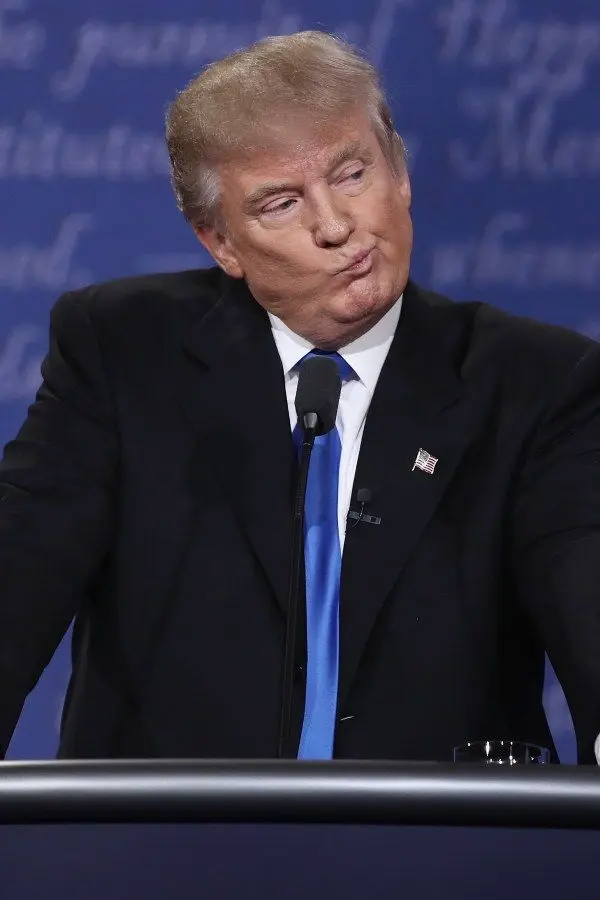
In a series of significant statements last week, U.S. President Donald Trump signaled a potential step toward ending hostilities between the United States and Iran, even as military actions and diplomatic tensions continue to shape the volatile situation.
Diplomatic Signals and Military Realities
President Trump, in statements to his aides and the public this week, said he was open to reducing military operations and discussing the possibility of a ceasefire; a departure from his previous rhetoric focused on achieving definitive military objectives and regime change. According to various reports, Trump indicated a willingness to halt aggressive actions if certain conditions were met, leading to optimism among some investors and foreign policy observers.
At the same time, the President issued stern warnings to Tehran, threatening significant attacks on Iranian energy and infrastructure if a ceasefire is not achieved soon. These threats drew criticism from human rights advocates and complicated diplomatic efforts.
Mixed Messages and International Reactions
Trump’s approach provoked a variety of reactions both domestically and internationally:
Skepticism from Gulf States and Regional Partners: Many Gulf Arab governments expressed distrust in US statements about potential talks, reflecting deep concerns about Washington’s consistency in peace efforts.
Official White House Position: The White House attempted to downplay reports that Iranian officials had explicitly rejected US ceasefire offers, emphasizing that talks remained “productive” and stating that no official communication confirming a rejection had been received from Tehran.
Strategic Adjustments and Allied Disappointments
Trump publicly criticized his European allies, particularly the United Kingdom and France, for their inadequate support in the conflict, underscoring the broader diplomatic challenges surrounding any ceasefire. It was argued that Europe should take more responsibility for securing its strategic interests, including reopening important maritime routes such as the Strait of Hormuz if necessary.
Economic and Geopolitical Risks
Global financial markets reacted to the developing ceasefire talks. Stock indices showed gains on days when the possibility of de-escalation of hostilities was discussed, demonstrating investors' sensitivity to reduced geopolitical risk. Meanwhile, the impact of the conflict on maritime routes such as the Strait of Hormuz continues to reverberate in global crude oil and fuel markets, with oil markets and energy supply routes remaining under pressure.
Outlook and Uncertainties
Despite the latest signals, analysts warn that a formal ceasefire agreement has not yet been finalized. Tehran has given mixed responses; some Iranian state sources have denied direct negotiations with Washington. US administration officials have indicated that internal political dynamics in Iran, including potential leadership changes, could affect whether concrete talks take place next week.
Diplomats and conflict experts say a sustainable ceasefire would require agreement on mutual terms, verification mechanisms, and security guarantees; elements that remain unresolved due to ongoing military activity.
Assessment: While President Trump's recent statements have contained language implying openness to de-escalation and even a ceasefire, the current situation still reflects profound uncertainty. Military threats, geopolitical rivalries, and diplomatic skepticism continue to shape how and if a genuine ceasefire can be established in the near term.
#TrumpSignalsPossibleCeasefire
March 31, 2026 / Washington D.C. about Middle East
In a series of significant statements last week, U.S. President Donald Trump signaled a potential step toward ending hostilities between the United States and Iran, even as military actions and diplomatic tensions continue to shape the volatile situation.
Diplomatic Signals and Military Realities
President Trump, in statements to his aides and the public this week, said he was open to reducing military operations and discussing the possibility of a ceasefire; a departure from his previous rhetoric focused on achieving definitive military objectives and regime change. According to various reports, Trump indicated a willingness to halt aggressive actions if certain conditions were met, leading to optimism among some investors and foreign policy observers.
At the same time, the President issued stern warnings to Tehran, threatening significant attacks on Iranian energy and infrastructure if a ceasefire is not achieved soon. These threats drew criticism from human rights advocates and complicated diplomatic efforts.
Mixed Messages and International Reactions
Trump’s approach provoked a variety of reactions both domestically and internationally:
Skepticism from Gulf States and Regional Partners: Many Gulf Arab governments expressed distrust in US statements about potential talks, reflecting deep concerns about Washington’s consistency in peace efforts.
Official White House Position: The White House attempted to downplay reports that Iranian officials had explicitly rejected US ceasefire offers, emphasizing that talks remained “productive” and stating that no official communication confirming a rejection had been received from Tehran.
Strategic Adjustments and Allied Disappointments
Trump publicly criticized his European allies, particularly the United Kingdom and France, for their inadequate support in the conflict, underscoring the broader diplomatic challenges surrounding any ceasefire. It was argued that Europe should take more responsibility for securing its strategic interests, including reopening important maritime routes such as the Strait of Hormuz if necessary.
Economic and Geopolitical Risks
Global financial markets reacted to the developing ceasefire talks. Stock indices showed gains on days when the possibility of de-escalation of hostilities was discussed, demonstrating investors' sensitivity to reduced geopolitical risk. Meanwhile, the impact of the conflict on maritime routes such as the Strait of Hormuz continues to reverberate in global crude oil and fuel markets, with oil markets and energy supply routes remaining under pressure.
Outlook and Uncertainties
Despite the latest signals, analysts warn that a formal ceasefire agreement has not yet been finalized. Tehran has given mixed responses; some Iranian state sources have denied direct negotiations with Washington. US administration officials have indicated that internal political dynamics in Iran, including potential leadership changes, could affect whether concrete talks take place next week.
Diplomats and conflict experts say a sustainable ceasefire would require agreement on mutual terms, verification mechanisms, and security guarantees; elements that remain unresolved due to ongoing military activity.
Assessment: While President Trump's recent statements have contained language implying openness to de-escalation and even a ceasefire, the current situation still reflects profound uncertainty. Military threats, geopolitical rivalries, and diplomatic skepticism continue to shape how and if a genuine ceasefire can be established in the near term.
#TrumpSignalsPossibleCeasefire

 :
: