
Futures
Access hundreds of perpetual contracts
TradFi
Gold
One platform for global traditional assets
Options
Hot
Trade European-style vanilla options
Unified Account
Maximize your capital efficiency
Demo Trading
Introduction to Futures Trading
Learn the basics of futures trading
Futures Events
Join events to earn rewards
Demo Trading
Use virtual funds to practice risk-free trading
Launch
CandyDrop
Collect candies to earn airdrops
Launchpool
Quick staking, earn potential new tokens
HODLer Airdrop
Hold GT and get massive airdrops for free
Pre-IPOs
Unlock full access to global stock IPOs
Alpha Points
Trade on-chain assets and earn airdrops
Futures Points
Earn futures points and claim airdrop rewards


More

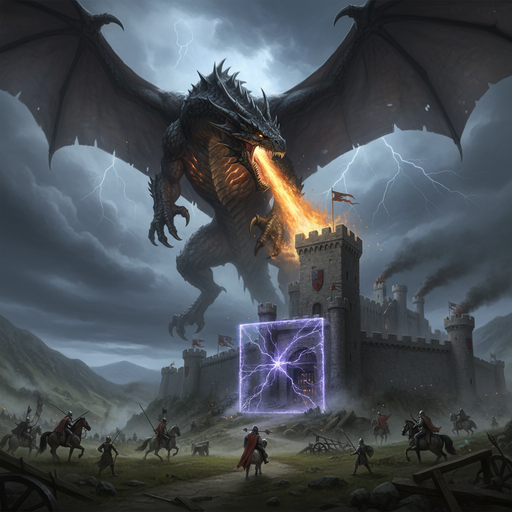



"TACO Trading" Dominates the Market: Investors Bet That Trump's "Maximum Pressure Will Eventually Recede," Buying on Dips Becomes the Mainstream Strategy
ME News report, April 9 (UTC+8). As the U.S.-Iran conflict phase eased on a temporary basis, Wall Street gradually formed a set of trading logic centered on Trump’s policy style—“TACO Trading” (Trump Always Chickens Out). The market generally believes that Trump’s tough geopolitical statements often end in compromise, so viewing escalation of the situation is treated as a buy signal. Data shows that before Trump announced a pause in military actions against Iran, the market had already been positioning itself in risk assets. The S&P 500 logged its first weekly gain in six weeks, and the options market’s risk premium also stayed at a low level, indicating investors’ limited reaction to extreme scenarios. Institutional views suggest the market is repeating a cycle of “conflict escalation—sentiment under pressure—cooling of the situation—asset rebound.” Some analysts noted that systemic investors are in “possibly one of the most profitable opportunities environments in history.” However, there are also warnings that this highly aligned expectation may weaken the market’s ability to constrain policies. Once the market no longer produces a negative feedback to aggressive rhetoric, it may inversely incentivize riskier policy actions, increasing potential tail risks. (Source: BlockBeats)