

Trade
Basic
Futures
Futures
Hundreds of contracts settled in USDT or BTC
Options
HOT
Trade European-style vanilla options
Unified Account
Maximize your capital efficiency
Demo Trading
Futures Kickoff
Get prepared for your futures trading
Futures Events
Participate in events to win generous rewards
Demo Trading
Use virtual funds to experience risk-free trading
Earn
Launch
CandyDrop
Collect candies to earn airdrops
Launchpool
Quick staking, earn potential new tokens
HODLer Airdrop
Hold GT and get massive airdrops for free
Launchpad
Be early to the next big token project
Alpha Points
NEW
Trade on-chain assets and enjoy airdrop rewards!
Futures Points
NEW
Earn futures points and claim airdrop rewards
Investment
Simple Earn
Earn interests with idle tokens
Auto-Invest
Auto-invest on a regular basis
Dual Investment
Buy low and sell high to take profits from price fluctuations
Soft Staking
Earn rewards with flexible staking
Crypto Loan
0 Fees
Pledge one crypto to borrow another
Lending Center
One-stop lending hub
VIP Wealth Hub
Customized wealth management empowers your assets growth
Private Wealth Management
Customized asset management to grow your digital assets
Quant Fund
Top asset management team helps you profit without hassle
Staking
Stake cryptos to earn in PoS products
Smart Leverage
NEW
No forced liquidation before maturity, worry-free leveraged gains
GUSD Minting
Use USDT/USDC to mint GUSD for treasury-level yields

More


Things that have happened in the past few days are quite surreal. The political situation in Venezuela changed dramatically overnight, and the world's attention quickly shifted from geopolitical conflicts to another issue — where will a rare-scale shadow reserve of crypto assets flow?
Here's what happened. In the early hours of January 3rd, the United States launched a large-scale military operation against Venezuela, and the core figures of the former regime have been taken out of the country. President Trump then stated that he would "manage" the country until a safe transition is achieved, and revealed that major U.S. oil companies would invest billions of dollars to repair infrastructure.
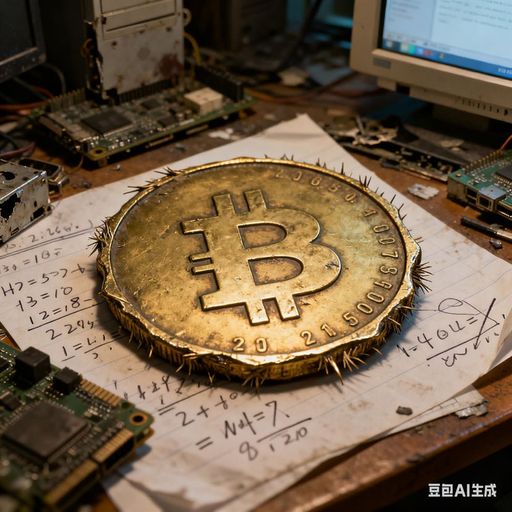
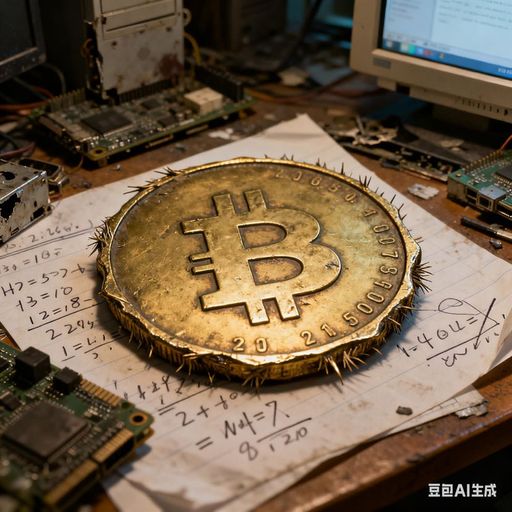
But behind these tangible assets, there is an even more perplexing issue at hand. According to multiple media reports citing informed sources, Venezuela, in order to evade long-term sanctions, has established a complex shadow financial system — using gold swaps, oil trade, and other means to continuously convert national resources into digital assets like Bitcoin and Tether.
How large is this asset scale? Estimates suggest it could reach $60 billion. This is not a small sum, but a huge amount accumulated through years of repeated operations.
The current question becomes more acute: who holds the "private key" to this digital wealth? As the original government’s power structure collapses, how will control be transferred? This has become one of Washington’s most concerned issues. It involves not only the crypto assets themselves but also the future reconstruction of the country’s economic order. An invisible battle for digital wealth is unfolding behind the scenes.