ما هو مخطط العمق؟
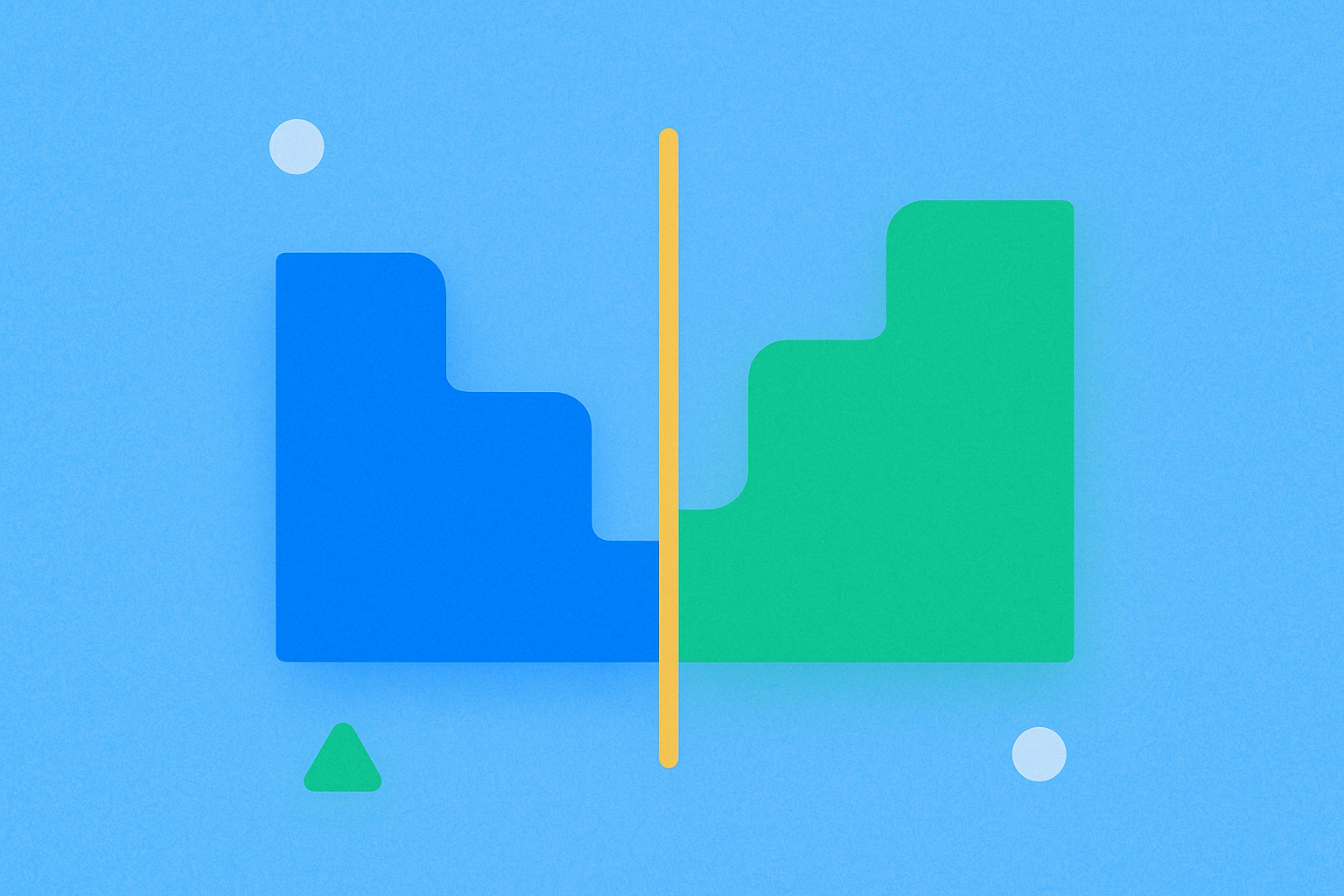
مخطط العمق هو عرض بصري لأوامر الشراء والبيع في السوق.
يحوّل بيانات دفتر الأوامر من منصة التداول إلى منحنيين أو منطقتين: المشترون على اليسار والبائعون على اليمين. يمثل المحور الأفقي السعر، بينما يُظهر المحور العمودي إجمالي حجم الأوامر المتراكمة، أي إجمالي كمية أوامر الشراء أو البيع المعلقة عند أو أقل/أعلى من سعر معين. الفجوة في المنتصف بين أعلى عرض وأدنى طلب تُسمى الفارق السعري (Spread)؛ كلما كان هذا الفارق أصغر، تمت مطابقة الأوامر بسرعة أكبر وانخفضت تكلفة التنفيذ.
قد تلاحظ وجود قمم مفاجئة عند مستويات سعرية معينة على المخطط—هذه هي حواجز الشراء أو البيع، وتمثل مجموعات من الأوامر الكبيرة المعلقة. الشراء أسفل حاجز بيع يصعب تنفيذه بالكامل، أما البيع أعلى حاجز شراء فقد يواجه طلبًا قويًا. تتيح مخططات العمق رؤية هذه التفاصيل بوضوح، مما يساعدك على توقع الانزلاق السعري (Slippage)—أي التكلفة الناتجة عند تنفيذ أمرك بسعر غير مناسب بسبب ضعف السيولة في الطرف الآخر.
لماذا يجب أن تفهم مخططات العمق؟
لها تأثير مباشر على تكاليف التداول وإدارة المخاطر.
الأصول الكبرى مثل BTC و ETH غالبًا ما تتمتع بدفاتر أوامر كثيفة وفوارق سعرية ضيقة، ما يعني أن أمر بقيمة 10,000 دولار بالكاد يؤثر على السعر. أما الرموز الصغيرة أو خلال أوقات انخفاض النشاط، فالعمق يكون ضعيفًا، وقد تؤدي بضعة آلاف من الدولارات إلى تحركات كبيرة في الأسعار. عبر قراءة مخططات العمق، تستطيع توقع هذه التحركات وتجنب دفع انزلاق سعري كبير بسبب التداول العشوائي.
خلال إدراج رموز جديدة أو أحداث إخبارية هامة أو فترات تقلب مرتفع، قد يصبح عمق السوق ضعيفًا وتتحرك الحواجز بسرعة. مراقبة مخطط العمق يتيح لك اختيار أنواع أوامر أكثر حكمة—مثل أوامر الحد، أو الأوامر المجزأة، أو حتى الانتظار خارج السوق—لتقليل خطر التعرض لخسارة مفاجئة بسبب تقلبات الأسعار الحادة.
للمستخدمين الذين يشاركون في التداول الشبكي أو التحكيم أو الأنشطة القائمة على المهام، فهم العمق يساعد في اختيار أزواج التداول والأوقات الأنسب، مما يعزز كفاءة التنفيذ.
كيف يعمل مخطط العمق؟
يحوّل بيانات دفتر الأوامر إلى منحنى واضح وسهل الفهم.
دفتر الأوامر عبارة عن قائمة بأوامر الشراء والبيع مرتبة حسب السعر. يقوم النظام بتجميع هذه الأوامر عند كل مستوى سعري، ثم يحسب الإجماليات المتراكمة باتجاه المركز: يجمع جانب الشراء من أعلى عرض نزولًا، ويجمع جانب البيع من أدنى طلب صعودًا. بذلك يُظهر المحور العمودي "إجمالي الكمية المتاحة حتى هذا السعر" في انتظار التنفيذ.
عادةً ما تتوفر وضعيتان للعرض: "غير متراكمة" (أعمدة أو نقاط تُظهر الحجم عند كل مستوى سعري منفرد) و"متراكمة" (درجات أو منطقة تُظهر إجمالي الحجم من السعر الحالي إلى المركز). معظم المنصات تعتمد الوضعية المتراكمة لأنها تُظهر تأثير السوق بشكل أفضل.
ميزة أخرى شائعة هي تجميع مستويات الأسعار—دمج زيادات الأسعار الصغيرة المتجاورة في نطاقات أوسع (مثل دمج زيادات 0.01 دولار في نطاقات 0.10 دولار). هذا يُسهل قراءة المخطط بسرعة، لكن للحصول على تنفيذ دقيق، يُفضل العودة إلى الفواصل الصغيرة لمزيد من التفاصيل.
ماذا يكشف مخطط العمق في أسواق العملات الرقمية؟
أبرز المؤشرات المباشرة هي الفارق السعري، حواجز الأوامر، وتغيرات العمق.
في المنصات المركزية (CEX) مثل واجهة التداول الفوري أو العقود الآجلة لدى Gate، يمكنك تفعيل مخططات العمق، وضبط فواصل التجميع، وعرض العمق المتراكم. عند إطلاق رمز جديد، تكون الفوارق واسعة والعمق ضعيف وحواجز البيع هي السائدة؛ ومع دخول صانعي السوق (Market Makers) وزيادة الأوامر الطبيعية، تضيق الفوارق ويزداد العمق على الجانبين.
قبل أو بعد تحركات السوق الكبرى، قد "يتنفس" العمق. أثناء التقلبات الشديدة، يتم إلغاء العديد من الأوامر أو تنفيذها بسرعة، مما يؤدي إلى انحدار الجانبين واتساع الفوارق. بعد استيعاب الأخبار وهدوء التقلبات، يعود المخطط تدريجيًا إلى حالة أكثر استقرارًا.
في منصات التداول اللامركزية القائمة على دفتر الأوامر (CLOB DEX) أو منصات العقود الدائمة (Perpetual Contract)، يساعد مخطط العمق أيضًا في تقييم الانزلاق السعري ومخاطر التصفية. بخلاف منصات DEX بنمط AMM التي تستخدم التجمعات لتحديد الأسعار، يُبرز عمق دفتر الأوامر توزيع قائمة الانتظار—مما يجعل موقع وحجم الحواجز أمرًا بالغ الأهمية.
كيف تستخدم مخططات العمق في استراتيجيات الأوامر؟
الهدف هو الاستفادة من توزيع الحجم والسعر في المخطط لتحقيق تنفيذ أكثر أمانًا.
-
اختر وضعيات التجميع والعرض الأنسب
التجميع الواسع يُخفي التفاصيل؛ بينما التجميع الدقيق يخلق ضوضاء. ابدأ بفواصل واسعة لرصد حواجز الشراء/البيع الرئيسية، ثم انتقل للفواصل الدقيقة لتحديد المستويات بدقة.
-
اقرأ الفوارق وقيّم توقيت السيولة
الفارق الضيق مع منحنيات سلسة يدل على وفرة السيولة—مناسب لأوامر الحد أو الأوامر السوقية الصغيرة. الفوارق الواسعة مع منحنيات حادة تتطلب الحذر لتجنب الانزلاق السعري.
-
حدد حواجز الأوامر والفجوات
أسفل الحاجز يوفر دعمًا؛ أعلى الحاجز يواجه مقاومة. الفجوات (المناطق الضعيفة) تعني أن حتى الأوامر المتوسطة قد تحرك الأسعار بشكل حاد. تجنب وضع الأوامر في المناطق الضعيفة أو استخدم الحواجز للتنفيذ قصير الأجل لزيادة فرص النجاح.
-
قدّر تأثير السوق وقسّم الأوامر
حلل العمق المتراكم: إذا كنت تخطط لشراء بقيمة 10,000 دولار لكن يوجد فقط 7,000 دولار من أوامر البيع ضمن +0.3% من السعر الحالي و15,000 دولار ضمن +0.6%، فسيترتب على أمر السوق انزلاق سعري بنسبة 0.4%–0.6%. تقسيم أمرك أسفل الحواجز الرئيسية غالبًا ما يقلل التكلفة.
-
اختر أدوات الأوامر وحدد ضوابط المخاطر
على منصات مثل Gate، تعتبر أوامر الحد (Limit Orders) مناسبة للتنفيذ السلبي بالقرب من الطرف المقابل؛ تقسيم الأوامر أو الأوامر الموزونة زمنيًا يمكن أن يوازن تأثير السوق. دائمًا حدد مستويات وقف الخسارة/جني الأرباح لإدارة مخاطر التقلبات المفاجئة.
اتجاهات ونقاط بيانات بارزة لمخططات العمق
السيولة أصبحت أكثر تفاوتًا خلال العام الماضي—ما يجعل المقاييس الرئيسية أكثر أهمية.
من عام 2025 حتى أوائل 2026، عادةً ما تحافظ الأصول الكبرى على فوارق ضيقة معظم الوقت، بينما تظهر الأصول ذات القيم الصغيرة تقلبات يومية واضحة في الفوارق والعمق. بالنسبة للمتداولين النشطين، راقب هذه المقاييس الأربعة:
- الفارق السعري (Spread): الفترات المستقرة تشهد فوارق بنقاط الأساس؛ أما الأيام المتقلبة فقد تكون الفوارق أضعاف ذلك. الفوارق الصغيرة تعني مطابقة أسرع وتكلفة أقل.
- العمق المتراكم: تحقق من إجمالي حجم الأوامر ضمن ±X% من السعر الحالي. بالنسبة لأحجام الأوامر النموذجية بين 10,000 و50,000 دولار، ركز على ما إذا كان حجم العمق المتراكم عند ±0.3% أو ±1% يلبي احتياجاتك.
- نسبة العمق إلى الحجم عند 2%: تقيس "المخزون" مقابل "التدفق". في الأشهر الأخيرة، هذه النسبة مرتفعة للأزواج الشائعة ومنخفضة للأزواج الصغيرة؛ وغالبًا ما تنخفض بشكل حاد أثناء الأحداث السوقية.
- تركيز أعلى خمسة مستويات: يُظهر ما إذا كان هناك تركيز كبير للحجم عند مستويات سعرية محددة—التركيز العالي يزيد من التعرض لاكتساح سريع.
من ناحية المنتجات، بين نهاية 2025 وبداية 2026، أضافت العديد من المنصات خيارات التبديل بين الوضع المتراكم وغير المتراكم، اختصارات التجميع السريع، ومؤشرات تأثير السوق إلى مخططات العمق. كما تتحسن تجربة الهواتف الذكية لتقييم التكلفة بسرعة أثناء التقلبات.
كيف يختلف مخطط العمق عن مخطط الشموع اليابانية؟
مخططات العمق تُظهر السيولة الحالية؛ مخططات الشموع تُظهر الأسعار التاريخية.
مخطط الشموع (K-line) يعرض بيانات الفتح-الأعلى-الأدنى-الإغلاق والحجم عبر الزمن—مفيد لتحليل الاتجاهات. مخطط العمق يُظهر توزيع الأوامر الحالي عند كل مستوى سعري—مفيد لتقييم إمكانية التنفيذ عند السعر/الحجم المطلوب وتقدير الانزلاق السعري والمخاطر بعد التنفيذ.
الاستخدام المشترك هو الأمثل: إذا أظهر مخطط الشموع اقتراب السعر من المقاومة بينما يكشف مخطط العمق عن حاجز بيع كبير، فإن اختراق هذا المستوى يتطلب حجمًا كبيرًا؛ وبالعكس، إذا تم امتصاص حواجز البيع وضعف العمق في الأعلى، تزداد احتمالية الاختراق. حدد الاتجاه باستخدام الشموع؛ واضبط التنفيذ باستخدام مخطط العمق.
مصطلحات رئيسية
- مخطط العمق: يُصور كميات أوامر الشراء والبيع عند مستويات سعرية مختلفة لزوج تداول، ويعكس توزيع السيولة في السوق.
- دفتر الأوامر: مصدر بيانات مخططات العمق—سجل لجميع أوامر الشراء والبيع المفتوحة في منصة التداول.
- السيولة: القدرة على شراء أو بيع أصل بسرعة دون إحداث تغييرات كبيرة في السعر.
- الفارق السعري (Spread): الفرق بين أدنى طلب وأعلى عرض—التكلفة المباشرة للتداول.
- زوج التداول: وحدة تبادل مسعرة بين أصلين (مثل BTC/USDT).
الأسئلة الشائعة
ماذا تمثل الألوان في مخطط العمق؟
الأخضر عادةً يُشير إلى أوامر الشراء (العروض)، بينما الأحمر يُظهر أوامر البيع (الطلبات). كلما ازدادت كثافة اللون الأخضر، زاد ضغط الشراء عند ذلك السعر؛ وكلما كان الأحمر أغمق، زاد ضغط البيع. مراقبة سماكة وارتفاع الجانبين تتيح لك تقييم سريع لإجمالي العرض مقابل الطلب في السوق.
ماذا تعني القمم أو الفجوات في مخطط العمق؟
القمم تشير إلى تجمعات كبيرة من الأوامر عند أسعار معينة—غالبًا ما تمثل مستويات نفسية أو مناطق دعم/مقاومة. الفجوات تدل على ضعف السيولة عند أسعار محددة يمكن اختراقها بسرعة. هذه الميزات تساعدك على تحديد المستويات الرئيسية ومخاطر الانزلاق السعري المحتملة.
كيف تظهر الرموز ضعيفة السيولة في مخططات العمق؟
الرموز ذات السيولة الضعيفة عادةً ما يكون لديها مخططات عمق حادة ومتناثرة مع فجوات كبيرة بين الأوامر. هذا يعني أن التداولات الكبيرة تؤدي إلى انزلاق سعري كبير وتحركات حادة في الأسعار. قبل تداول هذه الرموز، تحقق دائمًا من مخطط العمق في المنصات الرائدة مثل Gate لضمان أن السيولة تتناسب مع حجم تداولك.
ماذا يعني ظهور أوامر كبيرة ثم اختفاؤها فجأة؟
هذه الاستراتيجية تُعرف باسم "خداع الأوامر" أو "قصف الأوامر"، حيث ينشئ المشاركون سيولة وهمية للتلاعب بالأسعار. إذا لاحظت أوامر ضخمة تختفي بسرعة عند مستويات رئيسية، فهذا يُشير إلى احتمال وجود تلاعب نفسي. كن يقظًا—ولا تنخدع بالسيولة الصناعية.
كيف يمكنك تقييم ما إذا كان الرمز يستحق التداول باستخدام مخطط العمق؟
قيّم ثلاثة عوامل رئيسية: إجمالي العمق (هل توزيع الأوامر متوازن؟)، حجم الفارق السعري (هل هو معقول؟)، وتكرار الإلغاء (هل الأوامر مستقرة؟). العمق المنتظم مع فوارق ضيقة وأوامر مستقرة يُشير إلى سيولة جيدة وتكاليف تداول منخفضة؛ إذا لم يكن الأمر كذلك، تكون المخاطر أعلى. غالبًا ما توفر المنصات الرائدة مثل Gate عمق سوق عالي الجودة.
مراجع إضافية