O que é um Bitstream?
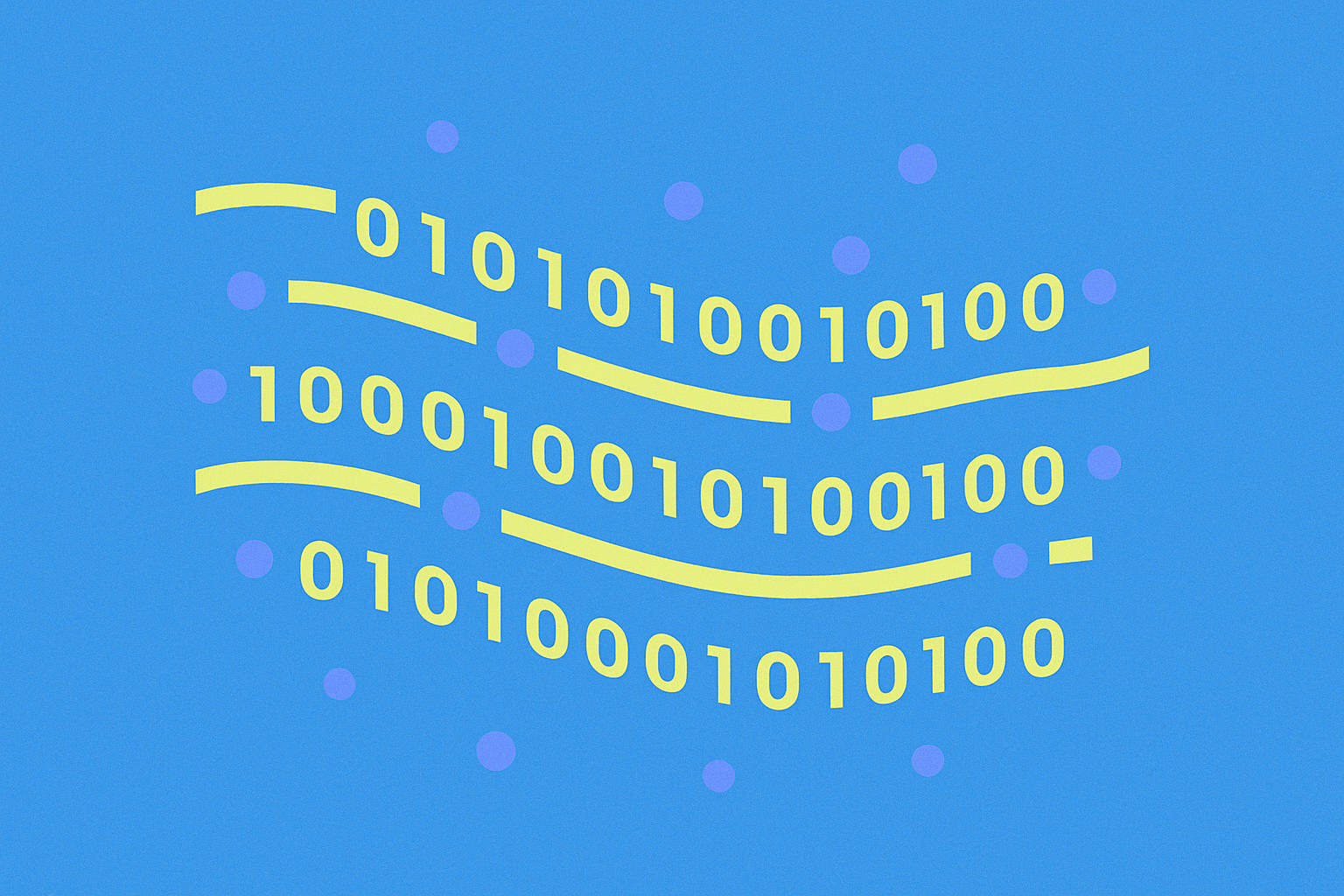
Um bitstream é um fluxo contínuo de dados constituído por 0 e 1, semelhante ao movimento da água num tubo—mas, neste caso, a “água” são sinais digitais. Nas redes de blockchain, as transações, blocos, smart contracts e outros dados são encapsulados em bitstreams para transmissão na rede.
Compreender os bitstreams implica duas dimensões essenciais. A primeira é a codificação: transformar texto, números e regras em sequências de 0 e 1. A segunda é a transmissão: estas sequências são enviadas, recebidas e armazenadas entre os vários nós da rede. Assimilar o conceito de “codificar em bits e transmitir sequencialmente” permite desmistificar muitos aspetos técnicos da blockchain.
Como são transmitidos os Bitstreams na Blockchain?
Os bitstreams circulam nas redes blockchain através de ligações peer-to-peer (P2P), onde os participantes comunicam diretamente—semelhante ao reencaminhamento de mensagens num grupo de chat.
Quando inicia uma transferência na sua wallet, esta codifica o endereço do destinatário, o valor e a referência num bitstream. Depois, anexa a sua assinatura—uma prova matemática que confirma a sua autorização da transação.
O bitstream da transação é transmitido para os nós vizinhos. Os nós são computadores que executam software blockchain. Estes verificam se o formato está correto, se o saldo é suficiente e se a assinatura é válida. As transações aprovadas entram numa pool de blocos candidatos, aguardando agrupamento pelos participantes designados.
Estes agrupadores têm designações diferentes consoante a cadeia: miners ou validators. Agrupam lotes de transações, criam novos blocos e transmitem o bitstream do bloco à rede. Os restantes nós recebem, validam e guardam estes dados nas suas bases de dados locais.
Qual é a relação entre Bitstreams e Hashes?
Um hash é um método para comprimir um bitstream numa “impressão digital” única. Tal como um código curto para um texto, os hashes facilitam comparações rápidas. Uma alteração de apenas um bit num bitstream origina um hash totalmente distinto.
O hash de cada bloco é registado no bloco seguinte, criando uma cadeia de blocos interligados. Qualquer modificação é facilmente detetada, já que alterar um bloco afeta os hashes de todos os blocos posteriores. Esta ligação de hashes é a base da “imutabilidade” da blockchain.
Durante a transmissão de dados, os nós recorrem a hashes para verificar rapidamente a integridade dos dados. Quando observa um “hash de bloco” num block explorer, está perante um resumo do bitstream desse bloco.
Como representam os Bitstreams as Transações e os Blocos?
O bitstream de uma transação inclui elementos essenciais: o endereço do destinatário (semelhante a um número de conta), o valor transferido e a sua assinatura digital como prova de autorização. Estes elementos são codificados no bitstream, permitindo aos nós validar e registar as transações.
O bitstream de um bloco funciona como um ficheiro de arquivo, registando a lista de transações, os carimbos de data/hora e uma referência ao hash do bloco anterior. Uma vez integrado na cadeia, qualquer utilizador pode descodificá-lo segundo regras standard e obter resultados consistentes.
Esta lógica de “regras públicas e codificação uniforme” assegura a interoperabilidade entre diferentes wallets e explorers. Independentemente da ferramenta utilizada, os detalhes da transação mantêm-se consistentes, uma vez que derivam do mesmo formato de bitstream.
Smart contracts são programas implementados em blockchains. Tanto o código do programa como os respetivos inputs têm de ser convertidos em bitstreams para execução pelos nós. Quando executa um contrato, o nome da função e os parâmetros são codificados conforme regras estabelecidas, permitindo aos nós interpretar a sua intenção.
Após a execução, os contratos geram registos de eventos—resultados também escritos como bitstreams no bloco. Os explorers descodificam estes registos em texto legível para o utilizador (por exemplo, “um endereço criou um novo token”).
Este processo de “codificar–executar–registar” garante operações verificáveis e resultados rastreáveis. Pode consultar qualquer bloco histórico e chegar sempre às mesmas conclusões.
Na Gate, pode aceder a dados de mercado e de negociação derivados de bitstreams estruturados para análise e trading.
Passo 1: Aceda ao site oficial da Gate para consultar a documentação da API. Subscreva os canais de spot trade ou order book via WebSocket—uma ligação persistente ideal para receber fluxos de dados em tempo real.
Passo 2: Configure sinais de heartbeat e estratégias de reconexão para evitar interrupções causadas por instabilidade da rede. Assim garante atualizações estáveis ao nível dos milissegundos para trades e cotações.
Passo 3: Analise os dados recebidos de acordo com as especificações oficiais dos campos para os converter no formato preferido (por exemplo, tempo, preço, quantidade). O parsing reverte o bitstream para informação estruturada.
Passo 4: Para dados on-chain, utilize block explorers ou RPC de nós para ler registos de transações e eventos. Os explorers descodificam bitstreams on-chain em páginas web, permitindo-lhe consultar detalhes de transações e informação de blocos.
Por detrás da interface de trading da Gate—onde order books e históricos de trades se atualizam em tempo real—encontra-se a atualização constante de bitstreams. Integrar estes dados permite backtesting, gestão de risco ou alertas nas suas ferramentas.
Quais são os riscos de segurança dos Bitstreams?
Os bitstreams podem acarretar riscos—sobretudo no que toca a chaves privadas. Uma chave privada autoriza transferências e deve ser guardada em segurança, offline. Se for exposta como bitstream, os seus fundos ficam altamente vulneráveis a roubo.
O front-running constitui outro risco: alguém pode ver a sua transação antes e submeter uma própria com termos mais vantajosos, lucrando à sua custa. Entre as soluções contam-se a difusão atrasada, processamento em lote ou fluxos de transação mais seguros.
Existem ainda ameaças ao nível da rede. Nós maliciosos podem injetar mensagens de spam para perturbar a comunicação. Reduza os riscos utilizando nós de confiança, ligações encriptadas e validando todos os dados recebidos através de verificações de formato e hash.
Para proteger os fundos: teste sempre com valores reduzidos, aplique autorizações em camadas, ative a proteção por dois fatores e mantenha cautela com links ou ficheiros desconhecidos.
Qual é a perspetiva dos Bitstreams nas aplicações Web3?
Os bitstreams estão a tornar-se cada vez mais em tempo real. Nos últimos anos, as principais cadeias públicas adotaram soluções de escalabilidade Layer 2 e processamento em lote—permitindo maior throughput por segundo e fluxos de dados mais densos, ampliando as oportunidades analíticas e de monitorização.
Para compliance e gestão de risco, os bitstreams permitem perfis de risco de endereços e deteção de anomalias. O reconhecimento contínuo de padrões de fluxo possibilita às plataformas detetar transferências ou comportamentos suspeitos de forma mais célere.
Há também inovação contínua no equilíbrio entre privacidade e transparência—por exemplo, provar factos sem revelar conteúdo sensível—permitindo verificabilidade e reduzindo a exposição dos bitstreams brutos.
Como deve começar a aprender e praticar com Bitstreams?
Passo 1: Abra um block explorer de referência, selecione uma transação e compare os dados brutos com os resultados descodificados para perceber como os bitstreams se transformam em informação legível.
Passo 2: Utilize uma wallet de testnet para iniciar uma pequena transferência. Observe como a transação se propaga, é confirmada e registada num bloco—compreendendo assim os percursos de transmissão.
Passo 3: Na Gate, subscreva feeds WebSocket para um par de negociação limitado; analise dados de trade/order book para construir gráficos básicos em tempo real.
Passo 4: Experimente monitorizar registos de eventos de um contrato comum; explore as regras de codificação e os outputs descodificados para obter uma compreensão integral do input ao resultado.
Pratique sempre em segurança: não armazene chaves privadas em ambientes não confiáveis; nunca assine mensagens desconhecidas; evite misturar ambientes de teste e produção.
Quais são os principais pontos a reter sobre Bitstreams?
Os bitstreams são a base dos dados blockchain—servindo de suporte à codificação, transmissão e validação. Compreender os bitstreams revela como as transações são agrupadas, como os blocos se interligam e como os contratos são executados. Hashes garantem a integridade; assinaturas validam a autorização; nós asseguram a propagação e o armazenamento. Quer utilize explorers on-chain ou APIs de mercado da Gate, está sempre a visualizar representações estruturadas dos bitstreams subjacentes. Manter os bitstreams no centro da aprendizagem Web3 permite-lhe consolidar conhecimento e adotar hábitos operacionais mais seguros.
FAQ
Qual é a diferença entre 1 Bit e 1 Byte?
Um bit é a unidade mínima de informação; um byte corresponde a 8 bits e é uma unidade de armazenamento superior. Nas redes blockchain, dados de transações, chaves privadas e hashes—tudo é armazenado e transmitido como bitstreams. Compreender esta relação clarifica os métodos de codificação de dados na blockchain.
Porque são os endereços de wallet e as chaves privadas representados como bitstreams?
Bitstreams (sequências de 0 e 1) são a única linguagem compreendida pelos computadores. Endereços de wallet e chaves privadas são, na essência, números extensos—devem ser convertidos em bitstreams para armazenamento, transmissão e verificação. Este método assegura que os dados não podem ser adulterados durante o trânsito e reforça a segurança.
Que papel desempenham os Bitstreams na mineração?
Os miners processam bitstreams em busca de hashes que cumpram requisitos específicos—um processo designado Proof of Work (PoW). Em termos simples: os miners ajustam repetidamente o bitstream dos dados da transação até encontrarem um que produza um hash que cumpra o critério de dificuldade—ganhando, assim, o direito (e a recompensa) de adicionar um novo bloco.
Existe diferença entre a forma como wallets móveis e de desktop armazenam bitstreams?
O princípio de armazenamento é idêntico—mas a segurança varia. As wallets móveis armazenam bitstreams em chips do telemóvel, tornando-os mais vulneráveis a malware; as wallets de desktop podem oferecer armazenamento offline (cold storage) com maior proteção. A solução mais segura é utilizar uma hardware wallet, mantendo os bitstreams totalmente offline para evitar ataques online.
Como afetam as técnicas de compressão de bitstreams o tamanho dos blocos?
A compressão de bitstreams reduz a necessidade de armazenamento por bloco—permitindo mais transações por bloco e melhorando o throughput da rede. Por isso, inovações como Segregated Witness (SegWit) ou Lightning Network otimizam o desempenho do Bitcoin: escalam ao utilizar métodos de codificação de bitstreams mais eficientes.