Купить криптовалюту
Оплатить в

USD
Купить и Продажа
Hot
Покупайте и продавайте криптовалюту через Apple Pay, карты, Google Pay, банковские переводы и т. д
P2P
0 Fees
Нулевые комиссии, более 400 способов оплаты и простая покупка и продажа криптовалюты
Gate Card
Криптовалютная платежная карта, обеспечивающая бесперебойные глобальные транзакции.
Торговля
Основа
Продвинутый
DEX
Ончейн торговля с Gate Wallet
Alpha
Points
Получите перспективные токены в упрощенной ончейн-торговле
Боты
Торговля в один клик с помощью автоматически запускаемых интеллектуальных стратегий
Копитрейдинг
Join for $500
Увеличивайте свое богатство, следуя примеру лучших трейдеров
Межбиржевая CrossEx торговля
Beta
Один баланс маржи, распределенный между платформами
Фьючерсы
Фьючерсы
Сотни контрактов, рассчитанных в USDT или BTC
TradFi
Золото
Торговля традиционными активами с помощью USDT в одном месте
Опционы
Hot
Торги опционами Vanilla в европейском стиле
Единый счет
Увеличьте эффективность вашего капитала
Демо-торговля
Начало фьючерсов
Подготовьтесь к торговле фьючерсами
Фьючерсные события
Участвуйте в мероприятиях и выигрывайте щедрые награды
Демо-торговля
Используйте виртуальные средства для торговли без риска
Earn
Запуск
CandyDrop
Собирайте конфеты, чтобы заработать аирдропы
Launchpool
Быстрый стейкинг, заработайте потенциальные новые токены
HODLer Airdrop
Удерживайте GT и получайте огромные аирдропы бесплатно
Launchpad
Будьте готовы к следующему крупному токен-проекту
Alpha Points
Торгуйте ончейн активами и получайте награды аирдропа!
Фьючерсные баллы
Зарабатывайте баллы и получайте награды аирдропа
Инвестиции
Simple Earn
Зарабатывайте проценты с помощью неиспользуемых токенов
Автоинвест.
Автоинвестиции на регулярной основе.
Бивалютные инвестиции
Покупайте дешево и продавайте дорого, чтобы получить прибыль от колебаний цен
Мягкий стейкинг
Получайте вознаграждения с помощью гибкого стейкинга
Криптозаймы
0 Fees
Заложите одну криптовалюту, чтобы занять другую
Центр кредитования
Единый центр кредитования
VIP-центр богатства
Настроенное вами управление капиталом способствует росту ваших активов
Управление частным капиталом
Индивидуальное управление активами для роста ваших цифровых активов
Количественный фонд
Лучшая команда по управлению активами поможет вам получить прибыль без лишних хлопот
Стейкинг
Делайте стейкинг криптовалюты, чтобы заработать на продуктах PoS
Умное плечо
New
Без принудительной ликвидации до погашения, беззаботный прирост с кредитным плечом
Минтинг GUSD
Используйте USDT/USDC чтобы минтить GUSD для доходности на уровне казначейских облигаций

Еще


Blockchain
Blockchain — это основополагающая технология для почти всех криптовалют. Это распределенная бухгалтерская книга/реестр, которую совместно ведут децентрализованные узлы по всему миру. Блокчейн называют ""машиной доверия"", позволяющей осуществлять одноранговые платежи без доверия. Блокчейн станет инфраструктурой для следующего поколения Интернета — Web 3.
Статьи (3889)

Средний
За пределами кризиса интеллекта
В ответ на гипотезу Citrini Research о «глобальном экономическом коллапсе, вызванном ИИ, к 2028 году» Дэвид Маттин предлагает совершенно иной подход: ИИ не только разрушает доходы, но еще быстрее снижает издержки. С ростом доступности интеллекта и энергии традиционные показатели — такие как ВВП и уровень безработицы — утрачивают значимость. В статье вводится новый ориентир — «интеллектуальный результат на единицу энергии» — для переосмысления дефляционного процветания и постчеловеческой экономической трансформации в эпоху ИИ.
2026-02-26 10:42:17

Средний
Криптовой капитал переходит от токенов к акциям, так как новые проекты сталкиваются с трудностями: DWF
В статье, основанной на статистическом анализе сотен TGE, проведённом маркет-мейкером DWF Labs, говорится, что более 80% новых токенов теряют от 50% до 70% стоимости по сравнению с ценой размещения примерно за 90 дней после листинга. Максимальные значения обычно фиксируются в первый месяц, после чего под давлением airdrop-ов и ранних разблокировок начинается затяжное снижение. Эти данные подтверждают тезис о том, что новые монеты часто становятся инструментом выхода для розничных инвесторов.
2026-02-26 10:17:09

Средний
Платформа AINFT AI Aggregator предоставляет централизованный доступ к ведущим моделям искусственного интеллекта
В феврале была запущена нативная платформа агрегации крупных AI-моделей AINFT Web3, которая объединила ведущие модели — ChatGPT-5.2, Claude 4.5 и Gemini 3 Pro. За первую неделю число пользователей увеличилось с 30 000 до 330 000, что демонстрирует экспоненциальный рост. Платформа упрощает доступ: пользователям больше не нужно переключаться между разными сервисами, обходить ограничения по кредитным картам и сталкиваться с фиксированными подписками.
2026-02-26 10:12:08

Новичок
Индиана HB 1042 принят: пенсионные фонды теперь могут инвестировать в криптовалюту, а права на Bitcoin закреплены на уровне законодательства штата
Законопроект Палаты представителей Индианы 1042 прошёл обе палаты и теперь ожидает одобрения губернатора. Документ позволяет государственным пенсионным фондам инвестировать в криптоактивы и защищает право граждан на доступ к цифровым активам. Это важное событие для законодательства о Bitcoin на уровне штатов в США.
2026-02-26 09:24:30
Средний
Почему в реальных условиях работы блокчейна показатель TPS часто резко снижается?
Основатель Psy Protocol отметил принципиальный недостаток использования TPS для оценки производительности сети: результаты тестирования в среде с одним узлом не отражают реальную масштабируемость децентрализованного мейннета. Он считает, что экономические показатели, такие как комиссии за транзакции, позволяют объективно судить о состоянии сети. Это особенно важно для инвесторов, стремящихся избежать маркетинговых ловушек с высокими TPS и правильно оценить перспективные блокчейны, например LayerZero Zero.
2026-02-26 08:27:56

Новичок
В чем отличие XAUT от PAXG? Полное сравнение цифровых токенов золота
Когда цены на золото достигают новых максимумов, а расходы и сложности хранения физического металла увеличиваются, цифровые токены золота — такие как XAUT и PAXG — становятся важными инструментами для инвесторов, стремящихся получить доступ к золоту через блокчейн. Оба токена обеспечены физическим золотом в соотношении 1:1, однако имеют значительные различия по структуре выпуска, хранению, прозрачности аудита, ликвидности, регулированию, структуре комиссий и механизмам выкупа. Понимание этих особенностей помогает инвесторам более осознанно и системно распределять цифровые золотые активы.
2026-02-26 07:20:52

Новичок
Правда о крахе Luna: сбой алгоритма или манипуляции институциональных игроков? Подробный анализ скандала с Jane Street
Детальный анализ коллапса Luna в 2022 году с объективной оценкой структурных причин и влияния на рынок, что привело к убыткам в 40 миллиардов долларов. В обзоре представлен разбор алгоритмического механизма стейблкоина Terra, анализ последовавшего дефицита ликвидности, разбирательства вокруг таких организаций, как Jane Street, а также актуальная информация по связанным судебным делам.
2026-02-25 11:29:43

Средний
Два типа просадок
Не все рыночные коррекции дают одинаковые возможности. В статье рассматриваются различия между системными и идосинкразическими коррекциями. Указывается, что в условиях снижения акций программных компаний под влиянием ИИ многие падения отражают не просто эмоциональную реакцию, а пересмотр бизнес-моделей и конкурентных преимуществ. Перед тем как искать точки входа на низких уровнях, инвесторам важно определить: причина — временный фактор или фундаментальные изменения?
2026-02-25 09:48:46
Средний
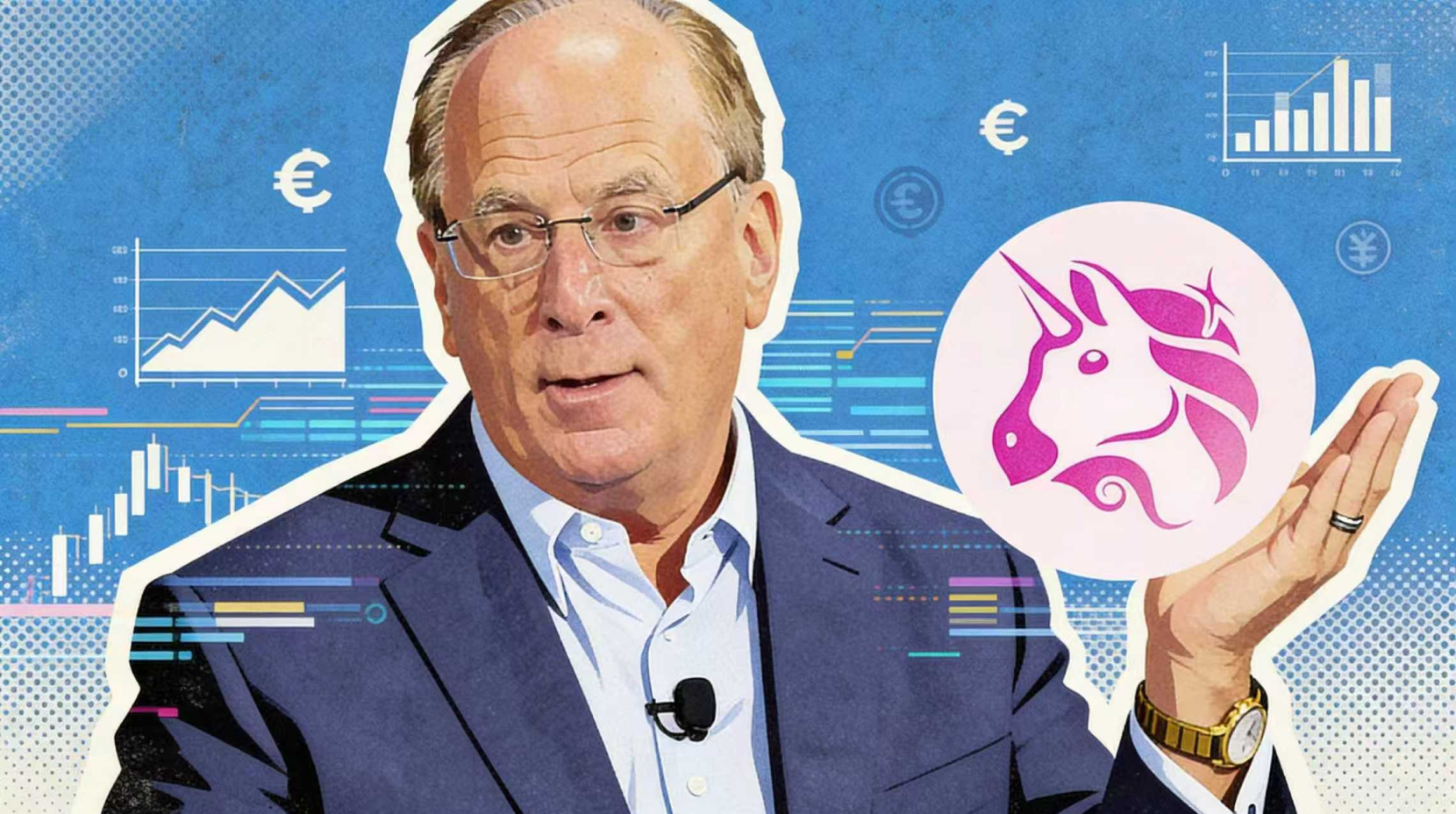
BlackRock «делает ставку» на UNI: разбор бизнес-логики партнерства с Uniswap
BlackRock интегрировала свой токенизированный казначейский фонд BUIDL объемом $2,2 млрд с UniswapX и впервые приобрела токены управления UNI. В статье анализируются ключевые механизмы комплаенса, структура ликвидности и задачи управления, что раскрывает, как DeFi эволюционирует из экспериментальных финансов в фундаментальную инфраструктуру, заслуживающую доверия у институциональных игроков.
2026-02-25 09:43:53

Новичок
Как функционирует Chainlink? Детальный разбор децентрализованного механизма оракулов
Chainlink занимает важное место в экосистеме Web3, обеспечивая связь между данными из реального мира и смарт-контрактами блокчейна. Благодаря этому контракты могут использовать внешние данные для реализации сложной логики, при этом сохраняется детерминированность исполнения.
2026-02-25 09:32:48
Средний
Polymarket против Kalshi: Полная хронология мем-войн на рынке предсказаний
Соперничество между Polymarket и Kalshi давно переросло споры о продукте и соответствие требованиям, превратившись в тщательно организованную борьбу за внимание — от бесплатных продуктов до мемных войн на платформе X. В статье рассматривается хронология длительного противостояния двух prediction markets и анализируется, каким образом регулирование, маркетинг и трафик вместе стимулировали рост торговых объемов и оценок.
2026-02-25 09:28:05

Новичок
Что такое Web4? Симбиотическая сеть, в которой ИИ-агенты и физический мир эволюционируют совместно
Web4 — это ультраинтеллектуальная среда, которая в реальном времени распознаёт, понимает и предугадывает потребности пользователя. Она не только децентрализована, но и отличается высокой автономностью и способностью к эмоциональному восприятию, создавая симбиотическую экосистему. Люди становятся не операторами, а архитекторами и определяющими рамки, а главную роль берут на себя ИИ-агенты в блокчейне.
2026-02-24 08:59:31
Средний
Интервью: соучредитель Derive Ник Форстер рассказывает о построении Onchain CME
Сооснователь Derive.xyz Ник Форстер выделяет три главных препятствия, из-за которых опционы на блокчейне значительно отстают от бессрочных фьючерсов с недельным объемом торгов $170 миллиардов: это ликвидность спотового рынка, участие институциональных игроков и более ранняя зрелость рынка фьючерсов. Форстер также называет ключевые драйверы, которые могут привлечь институциональных инвесторов в 2026 году.
2026-02-24 08:09:11

Средний
LayerZero разрабатывал крупную новую функцию в течение двух с половиной лет.
В статье анализируется развитие LayerZero: проект прошёл путь от кроссчейн-моста до запуска современной глобальной вычислительной платформы Zero L1. Подробно рассматриваются инвестиции Tether, сотрудничество с ведущими компаниями Уолл-стрит — Citadel, DTCC, ICE, Google Cloud, а также выделяется команда советников, которую возглавляет Кэти Вуд.
2026-02-24 08:06:20
Средний
Глубокий анализ StableChain: видение, архитектура и нативная платежная экосистема USDT
StableChain — это публичный платежный блокчейн с использованием USDT, поддерживаемый Bitfinex и Tether. В этой статье представлен глубокий анализ его видения, основных функций, технической архитектуры, опыта команды, а также его отличительных преимуществ по сравнению со стейблкоин-протоколами, такими как MakerDAO и Frax, а также рассматриваются перспективы применения в платежных и DeFi-экосистемах.
2026-02-24 05:42:37
123456789101112131415161718192021222324252627282930313233343536373839404142434445464748495051525354555657585960616263646566676869707172737475767778798081828384858687888990919293949596979899100101102103104105106107108109110111112113114115116117118119120121122123124125126127128129130131132133134135136137138139140141142143144145146147148149150151152153154155156157158159160161162163164165166167168169170171172173174175176177178179180181182183184185186187188189190191192193194195196197198199200201202203204205206207208209210211212213214215216217218219220221222223224225226227228229230231232233234235236237238239240241242243244245246247248249250251252253254255256257258259260

Откройте мир криптовалют — подпишитесь на Gate, чтобы открыть новые перспективы